Events

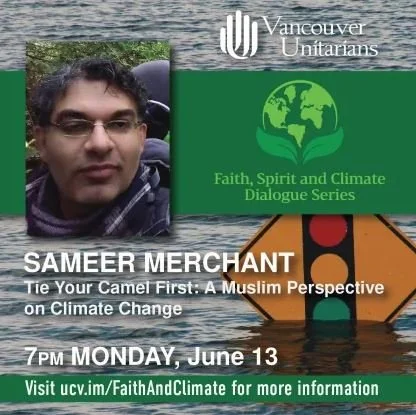
Beyond crisis: a film on social justice and hope for the climate

By Dr. Hind Al-Abadleh

“Nature has a way to go on whether we’re part of it of not” – Film director Kai Reimer-Watts

What a powerful line at the beginning of a film launch that marked the third year of the People’s Climate March on September 21, 2017 in Waterloo.  This day also marked the UN International Day of Peace.  

Beyond Crisis is unique compared to other documentaries on the topic of man-made climate change and the need for action.  It is narrated by the film director, Kai Reimer-Watts, who holds a Master of Climate Change from the University of Waterloo. The documentary is divided into parts: the first part reminds us of the science behind the changing climate at unprecedented rates relative to the past 400,000 years.  It shows news clips of the most recent impacts linked to climate change within the last 10 years on major cities across the globe, from flooding, to droughts, to intense and more frequent hurricane activities and wild fires.  The film shows interviews and highlights from the recent scientific literature by notable scientists like Dr. James Hansen of NASA, and those who contributed and reviewed the latest Intergovernmental Panel on Climate Change Reports.  

The second part of the film interviews social justice activists who highlight the fact that people who did not contribute to the problem are the ones who are facing the most consequences.  More specifically, nations around the equator who live in low land will experience sea rise and floods.  Increasing heat waves in some of these lands will not only make life unbearable, but will affect food production and water quantity and quality, leading to mass migration and political conflicts.  Closer to home, indigenous communities who live in their ancestral lands in the northern parts of Canada have seen first hand the effects of increasing rates of ice melting on their infrastructure and food resources.  Interviews with social activists and journalists such as Naomi Klein emphasized the moral responsibility of those who live carbon-intensive lifestyles to those whose basic living conditions are threatened or even destroyed because of climate change impacts.  The movie featured what religious communities in particular have done in this regard, from Pope Francis’s Climate Change Encyclical to the Islamic and Hindu Declaration on Global Climate Change, to name a few.

bcposter2017-forweb.jpg

The following parts in the film focused on the background story behind organizing for the People’s Climate March in 2014 that brought together over a million people in many cities around the world to protest policies on climate change and call on government leaders to take action before time is too late to act.  This great march that brought people from all walks of life together was influential in exerting pressure on political negotiators who participated in the talks that led to the Paris climate agreement within the United Nations Framework Convention on Climate Change in 2016.  This historical agreement aims to hold global climate temperature to well below 2 degrees C relative to pre-industrial levels, by reducing carbon emission and increasing adaptation and climate resiliency efforts.  Signatory countries have to come up with their own national efforts to meet the goals of the Paris agreement.  Here comes the role of individuals and communities, who have to keep the issue of climate change front and centre when making choices in their lifestyles and when they elect the politicians who represent them.

The last part of the movie flowed naturally to the massive opportunities that awaits us in creating a new future that is more sustainable, socially just, and in harmony with nature.  With interview clips from scientists and thought leaders in politics and the energy sector, the path to meeting Paris goals was laid out in three major points:

  1. Stop all subsides to the fossil fuel industries,

  2. Price carbon to truly account for the true cost of pollution,

  3. Divest investments from fossil fuels to renewable energy.  

We need to shift our thinking from relying on an economy based on resource development to a technology based economy, where we harness the energy of the sun, wind and geothermal wells to power conscious and sustainable lifestyles.  Employment data shows that this transition to renewable energy will create more jobs that those lost from ceasing to work in fossil fuel industries.  The film emphasizes that this grand challenge can be overcome within a generation when the politicians and people come together and work towards a common goal.  Examples from history highlighted in the movie to prove this point included civil rights movement with Martin Luther King, funding projects that landed humans on the moon, and preparing for the military might that defeated Nazism in World War II.

At the end of the screening, the attendees left with a renewed sense of hope and mingled together to share their ideas and ongoing projects they’re working on.  It was a truly inspiring experience that shows the importance of grassroots effort in tackling what appears to be a problem of magnificent magnitude.  I highly encourage everyone of you to plan for a screening of this film in your community, invite the Director for a Q & A, and keep the conversation, and action, going.

Dr. Hind Al-Abadleh is a Professor of Chemistry at Wilfrid Laurier University in Waterloo, ON.  She is also the Science Advisor for Students for Sustainability at Laurier.  She could be reached via e-mail: halabadleh@wlu.ca
Grateful for Gardens: Tarbiyah Elementary experiences the joys of green space

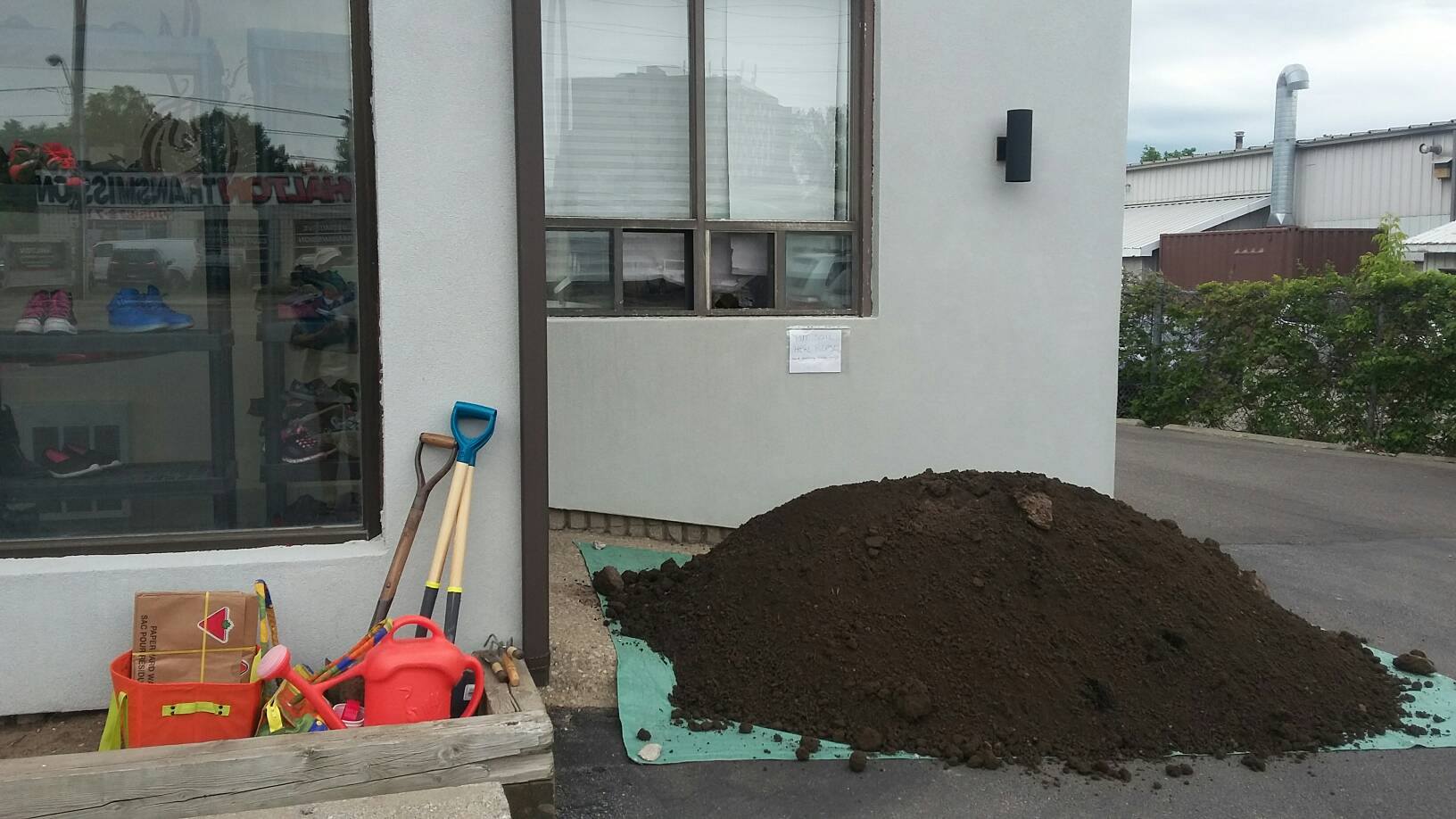
Tarbiyah students enjoy their time in the garden and help to create their own green space! 

by Chantelle Misheal

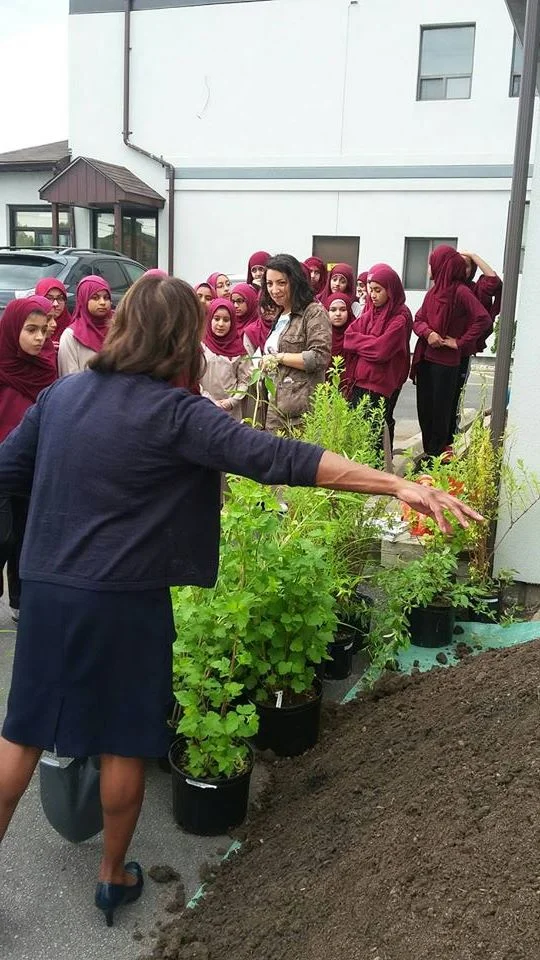
What happens when you introduce gardens and plants to your students? Well, they get awfully interested in learning more! We’ve had such an amazing time working with the students of Tarbiyah Elementary School in Milton, ON and a large part of that is due to the students’ excitement of being in the garden!

Given the generous funding from the Ontario Trillium Foundation to provide programming around gardens, as well as the funding from the Ontario150 Youth Partnership Program to install a garden at two schools, we were more than fortunate to have the resources to allow the children to really dig deep and get their hands dirty as they learn more about the benefits of restoring natural habitat.

We started off with a workshop from our partners at EcoSource, who took us to the Iceland Teaching Garden with 30 students from Tarbiyah. The girls got a first hand look at a community garden with a tour and basic information about everything that was growing, as well got the chance to help contribute to the garden by first making room in the garden beds for new seedlings to be planted.

Initially, I was worried someone would be terrified of getting their hands dirty. Soon enough, I realized the girls were racing to plant more seedlings and were eager to learn more! Learning about the processes of the garden helps to reconnect us to the process of food, and allows for a greater appreciation for the food we are so fortunate to have. The time outside was beneficial as their school is surrounded by quite a bit of concrete, and there isn’t too much opportunity to spend time in the garden.

GSS VISITS

SIX NATIONS

As we celebrate Canada 150, we have also made it a point to ensure we are acknowledging what 150 years really means. We’ve turned our efforts towards honouring the land and its original caretakers, looking for the support from Six Nations and the Indigenous Council to help us make this project representative of what the next 150 years will be through Truth and Reconciliation.

Sherry Caevil, the Aboriginal Liason Officer for the Halton Catholic District School Board, offered to take us to visit Six Nations. We were interested by the Kayanase Greenhouse and the amazing selection of native species, so we’ve made the decision to purchase most, if not all, of the plants for the schools from this greenhouse. After a tour and a quick bite at the Burger Barn, we left Six Nations with open minds and open hearts, a full belly and a van jam packed with beautiful plants!

You can plan your next visit to Grand River with a little help from this website!

BUILD DAY AT TARBIYAH

On June 13th, we held our official Canada 150 Build Day at Tarbiyah Elementary School. Planning around a shorter school schedule, busy last weeks at school and also being mindful that the students were celebrating Ramadan, made this build day nothing short of exciting! We were visited by MP Indira Naidoo-Harris who gave a special speech to the girls before we “broke ground”.

With a focus on native species, we invited Erin from Conservation Halton to teach the girls a little more of the importance of natural habitat. Luckily, the rain held off long enough for us to do the majority of the planting, but we will have to return over the summer to complete the rest of the garden beds. Even with most of the students fasting, so many wanted to continue working throughout the day to be involved in the garden!

While all the fun was happening outside for the older grades, I hosted a few sessions with the younger grades making some seed balls to help transform the bushy areas around the school!  Students were more than happy for the opportunity to help the bees and butterflies and eagerly asked to make more to take home for their own gardens.

Pictures will be up soon to show you the before and after of our wonderful garden, which includes a new rain barrel to help our thirsty plants this summer! With plans already underway for our next garden, we are optimistic and hoping for the same reaction from our students at Christ the King Secondary School in Georgetown.

Stay tuned to see what projects we’re working on! Follow us on Instagram and Twitter at @GSSHaltonPeel. See you next time in the garden! This article originally appeared on Faith and the Common Good on June 26th, 2017. 

#WasteFreeRamadan

By Nouman Khalil

This year, Peel, Halton and Toronto’s Muslim community is celebrating environment-friendly Ramadan by saying "no" to disposable bottles from sunset to sunrise.

The fasting month of Ramadan begins next weekend, May 27-28. It’s the Islamic month in which holy Qur’an was revealed to the Prophet Muhammad (peace be upon him) and the revelation occurred during one of the last 10 nights, called Laylat Al-Qadr.

To reap maximum reward in this month, benefit others and protect the environment, TorontoMuslims — a project of DawaNet, a Mississauga-based nonprofit organization committed to community service, outreach and development — launched a pilot project called the #Waste Free Ramadan campaign to encourage all community members not to send plastic bottles to landfills.

“We really want to be environmentally conscious, especially in the coming month of Ramadan,” said Taha Ghayyur, one of campaign organizers. “If we are fasting to develop God-consciousness, we are also ensuring that we are not damaging the world and that’s the whole idea of seeking mercy.”

He said the campaign began with an initial goal of distributing 5,000 bottles through few major mosques in Peel, Halton and Toronto regions, especially in the cities of Brampton and Mississauga, but due to overwhelming response they have double the target to 10,000.

“The earth is green and beautiful and Allah has appointed you stewards over it,” reads a campaign message quoting a hadith (saying of the Prophet).

Bottles are available free of charge at local mosques such as ISNA Canada, Al Falah Islamic Centre, Sayeda Khadija Centre, Anatolia Islamic Centre, Islamic Propagation Centre (aka Coopers Masjid), and Dar At-Tawheed Islamic Centre. People can also obtain one free of cost by making an online donation.

Ghayyur said since it's a pilot project, TorontoMuslims initiated this campaign with selected mosques, but the actual idea was to distribute bottles free of cost.

The colourful bottles are designed for people to also write their own names on it and encourage others to do the same.

The #WasteFreeRamadan campaign hopes to engage all Canadian in discussions about climate change, global warming, environmental degradation and conservation.  

For more information, visit https://www.launchgood.com/project/wastefreeramadan#/.

Nouman Khalil is a reporter with The Mississauga News, Brampton Guardian and South Asian Focus. This article originally appeared on Mississauga.com on May 19th, 2017. 

All My Relations: Uniting Muslim and Indigenous Voices

By Muaz Nasir

Faith leaders and community activists gathered in Toronto yesterday evening for a discussion on strengthening the bond between the Muslim and Indigenous communities.

United Muslim and Indigenous Voices is the first of a series of events focusing on solidarity and reconciliation and was brought to fruition as a result of recent racial and religious attacks, both at home and abroad.

The panel discussion was hosted by Canadian Roots Exchange, a national not-for-profit organization that is committed to building bridges between Indigenous and non-Indigenous young people. The goal of the event was to discuss issues of racism, colonialism and Islamophobia from Indigenous and Islamic perspectives and fits in the organization's mission to facilitate dialogue and strengthen relationships through leadership programs.

The Toronto Foundation and the Inspirit Foundation were also supporting partners, and follows up on a report released last year which cites the ongoing discrimination Muslim youth face and the prevailing sentiment that this is expected to increase in the future.

“It’s no secret that folks from Muslim communities face discrimination and prejudices, much like Indigenous people,” said Max FineDay, co-executive director Canadian Roots Exchange to MetroNews. “This is an opportunity to start getting to know one another better and work together for the common good.”

The panel discussed the importance of educating ourselves about each others’ injustices and confronting our own prejudices as part of the decolonization process. “In order to activate yourself, educate yourself.”

The audience also raised questions about meaningful forms of solidarity, and the importance of making incremental steps towards fostering a friendship not just between Indigenous and Muslim communities but with all Canadians. “Solidarity to me looks more like friendship,” said panelist Zainab Amadahy as she recollected a very personal experience; it can be small or it can be grand. But at the end of the day, it’s about a responsibility, a meaningfulness and a connection to one another.


About the Speakers:

SARAIN FOX

Sarain is an Anishinabe dancer, choreographer, facilitator, and activist. Since 2015, Sarain has turned her focus more toward media undertaking several hosting contracts with the VICE network, including RISE, a multi-episode show focusing on the endeavours of indigenous cultures from around the world, and Cut Off, which followed Justin Trudeau as he visited Shoal Lake 40, a remote Indigenous community struggling with water security. Most recently, Sarain has been contracted to co-host a forthcoming show on the Aboriginal People’s Television Network (APTN). All of her work, both artistic and community-based, serves her deep commitment to the process of reconciliation between Indigenous and non-Indigenous peoples in Canada and beyond.

ZAINAB AMADAHY

Of mixed race heritage, Zainab Amadahy is a researcher, organizational development consultant, author and educator currently based in Toronto. Her background in community service is in the areas of Indigenous knowledge reclamation, curanderismo, non-profit housing, women’s services, migrant settlement and community arts as well as medical and photovoltaic technologies. Among her publications is "Indigenous Peoples and Black Peoples in Canada: Settlers or Allies” (co-authored with Dr. Bonita Lawrence, 2009) and the futurist novel Moons of Palmares (Sister Vision Press, 1998). Links to Zainab’s more recent writings can be found at http://swallowsongs.com/

AUSMA MALIK

Elected to the TDSB in 2014, Ausma brings expertise and experience in education policy and community organizing to representing her vibrant downtown community. From serving on the Board of the Toronto Environmental Alliance, the city's only social justice environmental organization, to volunteering with young people in Toronto's high needs communities, to labour organizing and leading equity initiatives on Ontario campuses, Ausma is a committed life-long human rights and social justice activist. Her work continues as Director of Social Engagement at the Atkinson Foundation.

RUDAYNA BAHUBESHI

Rudayna Bahubeshi is the Communications Manager at Inspirit Foundation. She is a passionate social justice advocate and city builder who always asks who is at the table and who is missing? She is currently a CivicAction DiverseCity Fellow and a Youth Advisor on Wellesley Institute's Supports for Success program, an emerging project seeking to bridge the gap across systems, services, and programs to enable children and youth to succeed. Rudayna has led programming and communications in the non-profit and grassroots sector for several years with organizations including Women in Toronto Politics, The Natural Step Canada, Engineers Without Borders, Getinvolved.ca, and Impact Hub Ottawa. Rudayna is deeply interested in civic engagement and developing a more inclusive civic discourse. She is originally from Ottawa and holds a Bachelor of Humanities from Carleton University.


Toronto Imams Mark Earth Day with 'Green' Khutbah

Imams in Toronto joined the worldwide Green Khutba Campaign on Earth Day and delivered sermons to raise awareness on the environmental challenges facing humanity.

“Islam appreciates and celebrates the earth and the environment to the extent that some Qur’anic surahs are named after some creations such the cow, the ants, the bees, the sun, and the moon,” said Imam Dr. Wael Shehab of Masjid Toronto in his message to the congregation. “The earth and all creations glorify Allah, so we have something in common with them all.”

“We love all creations and they love us too,” said Imam Shehab. “For us, the whole earth is like a masjid, so we should preserve it.”

The Green Khutbah Campaign commemorates Earth Day which coincided with the sermon awareness campaign this year.

“This year the theme of the Green Khutbah Campaign is ‘Climate Change: Working Together to Solve a Global Challenge’ whereby we encourage Muslims to evaluate their contribution towards global warming and consider the implications for current and future generations,” said Muaz Nasir, the publisher of the Canadian environmental website, Khaleafa.com and one of the founders of the Campaign.

The Campaign was launched in 2012 in Canada and, every year, Imams across the world are encouraged to deliver a message that remind their congregations of the Qur’anic message to be stewards of the earth and its environment.

“We have been honoured to be vicegerents of God on earth,” Imam Dr. Hamid Slimi told the congregation at the Sayeda Khadija Centre in Mississauga. “Take responsibility of your duty to Mother Earth.”

“This environmental crisis is not localized but universal,” said Friday Imam Muneeb Nasir in his sermon at Masjid Toronto at Adelaide. “This crisis is not just a scientific problem or an environmental one but the result of a deep, inner crisis of the soul – it is a moral issue.”

“We cannot tune out – tuning out would mean that we are disregarding our moral responsibility to Allah’s creation,” added Nasir. “As such, we must be, not just ‘friends of the earth’, but its guardians.”

“Today’s Green Khutbah Campaign is calling all Muslims to reflect and join with others to create a sustainable future – a future where we meet our needs without compromising the ability of future generations to meet their own needs.”

The first Earth Day, held on April 22, 1970, activated 20 million Americans from all walks of life and is widely credited with launching the modern environmental movement.

More than 1 billion people across the world now participate in Earth Day activities each year, making it the largest civic observance in the world.

As the world commemorated Earth Day on Friday, leaders from more than 170 countries gathered at the United Nations in New York to sign an international treaty that aims to limit global warming to well below 2 degrees Celsius.

Earlier in the week, 250 religious leaders around the world released the Interfaith Climate Change Statement warning, “The planet has already passed safe levels of greenhouse gases in the atmosphere.”

“Unless these levels are rapidly reduced, we risk creating irreversible impacts putting hundreds of millions of lives, of all species, at severe risk.”

This article appeared on Iqra.ca on April 22nd, 2016. 

2016 Green Khutbah Campaign

Muslims across the world to celebrate Earth Day with Green Khutbah Campaign

TORONTO, April 11, 2016 - Muslims across the world will commemorate Earth Day on Friday, April 22nd, 2016 with the Green Khutbah Campaign as religious leaders deliver a sermon to raise awareness on the environmental challenges facing humanity.

“We are encouraging mosques, schools, universities and Islamic Institutions to devote their Friday Khutbah to celebrate the blessings, graces and beauty of all of God’s creation and to raise awareness on the environmental challenges facing humanity,” said Muaz Nasir, the publisher of the Canadian environmental website, Khaleafa.com and one of the founders of the Campaign.

“This year the theme of the Green Khutbah Campaign is ‘Climate Change: Working Together to Solve a Global Challenge’ whereby we encourage Muslims to evaluate their contribution towards global warming and consider the implications for current and future generations,” Nasir added.

The Campaign was launched in 2012 in Canada and, every year, Imams across the world are encouraged to deliver a message that remind their congregations of the Qur’anic message to be stewards of the earth and its environment.

The Green Khutbah Campaign commemorates Earth Day that will take place on Friday, April 22.

The first Earth Day, held on April 22, 1970, activated 20 million Americans from all walks of life and is widely credited with launching the modern environmental movement.

More than 1 billion people across the world now participate in Earth Day activities each year, making it the largest civic observance in the world.

“Leading climate scientists now believe that a rise of two degrees centigrade in global temperature, which is considered to be the “tipping point”, is now very unlikely to be avoided if we continue with business-as-usual; other leading climate scientists consider 1.5 degrees centigrade to be a more likely “tipping point””, according to the Islamic Declaration on Global Climate Change released last year.

“This is the point considered to be the threshold for catastrophic climate change, which will expose yet more millions of people and countless other creatures to drought, hunger and flooding. The brunt of this will continue to be borne by the poor, as the Earth experiences a drastic increase in levels of carbon in the atmosphere brought on in the period since the onset of the industrial revolution.”

Muaz Nasir says that Muslims cannot tune out from the environmental damage.

“Tuning out would mean that we are disregarding our moral responsibility to God’s creation,” he said.

“Those who violate or abuse the Trust are described in the Qur’an as those who corrupt, degrade and bring ruin on earth,” Muaz Nasir added. “The corrupters abuse the Trust and are in clear contrast to what Muslims must be - the stewards of the earth.”

An extensive online resource has been created by Khaleafa.com (www.Khaleafa.com/greenkhutbah) to support the Green Khutbah Campaign and Islamic organizations and well-known leaders are throwing their support behind the initiative.

##

For more information, photos or to arrange an interview please contact:  

Umar Nasir,

Media Relations, Green Khutba Campaign

e: http://khaleafa.com/contact

MADE launches the Ultimate Water Challenge

The Muslim Action for Development & Environment (MADE) has launched its newest campaign to raise awareness about water consumption and educate Muslims about the importance of conservation.

The Ultimate Water Challenge encourages Muslims to reduce their water use through completing a series of challenges from March 21st-March 25th, 2016. Participants can either sign up as an individual or a team and compete against each other across several categories. The overall goal of the campaign is to raise awareness and funds to support well-boring initiatives in Zanzibar.

unnamed.png

CHALLENGE LEVEL 1 – Only for the Conscious!

Beat the Tap: Use only the Prophetic amount of water [the mudd approx. 675ml] during wudu for the five prayers over five days - mudd is included!

CHALLENGE LEVEL 2 – Only for the Brave!

Beat the Bucket: Beaten the tap? Well then how about the ghusl bucket challenge and use 1 bucket for your daily shower – challenge yourself and be one of the brave!

CHALLENGE LEVEL 3 – Only for the Heroic!

The Ultimate Water Walk: Is the bucket a breeze? Then take the Ultimate Water Walk carrying a weight of 20 litres for 6km through central London passing iconic places whilst raising awareness of water injustice and the Islamic teachings of water. Experience what many women and children go through daily who do not have access to water - challenge your endurance and be one of the heroes!

To learn more and sign up as an individual or a team, visit www.made.ngo


International Islamic Climate Change Symposium

RS10707_DSC_8937.jpg

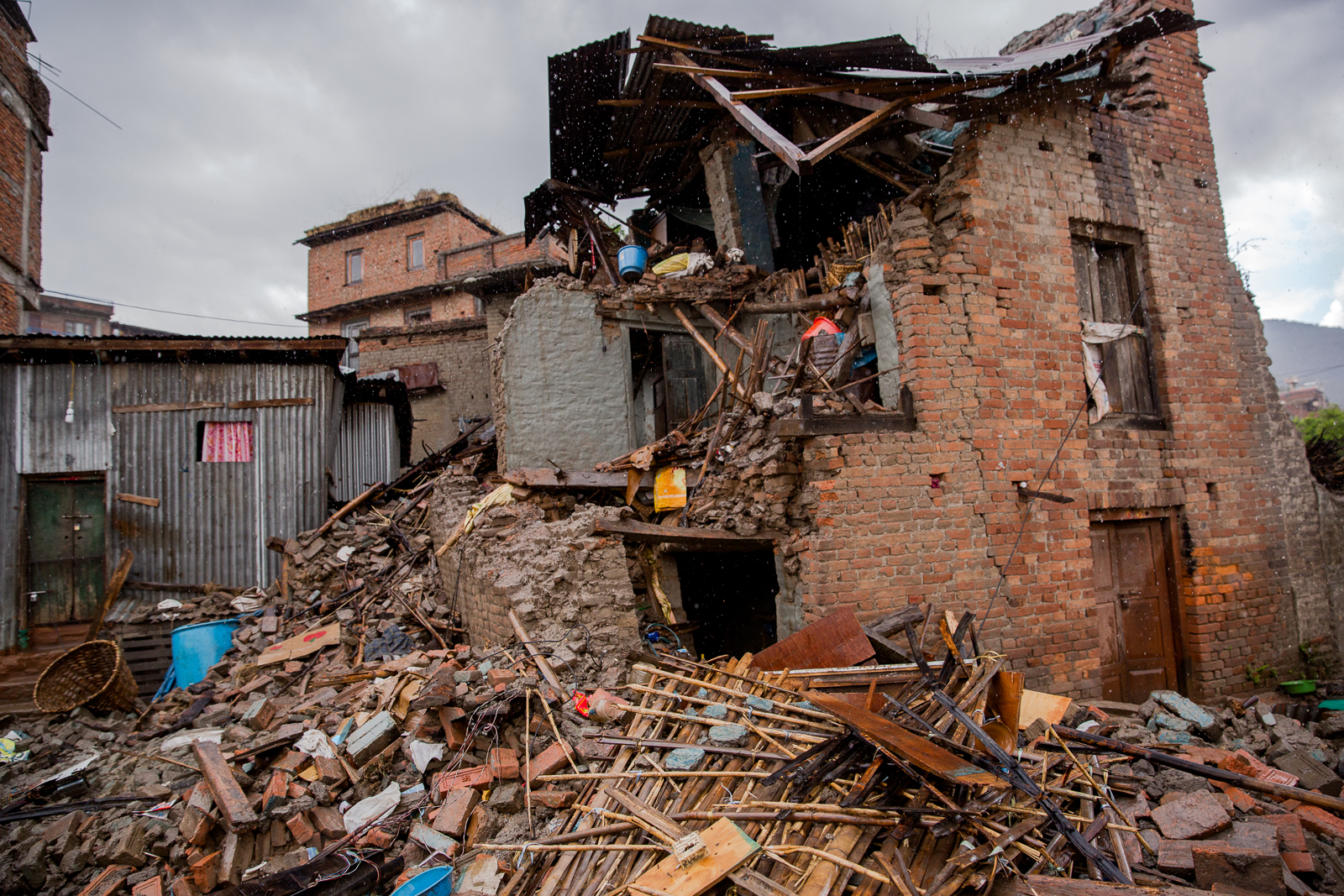
Photos from IR staff in Nepal following the earthquake, 2015. Introduction

This year, 2015, is a watershed year for the climate movement. In December governments will converge in Paris where they are expected to forge a new, international climate agreement that is robust, ambitious and comensurate with the scientific imperatives outlined by the Intergovernmental Panel on Climate Change. We believe that their ambition has to be driven by a bigger, broader and stronger citizens’ movement.

Faith communities increasingly recognise that the climate crisis is also a moral crisis. The adverse impacts of climate change that we have witnessed so far, present a clear case for people of faith to examine the underlying moral causes of this phenomenon. It prompts faith communities to take action to halt the desecration of nature that leads to destruction of creation, human and otherwise. Furthermore this is an opportunity for faith communities to provide a vision, inspire others and lead the way in building a fairer, safer, cleaner world built on renewable energy – leading the way on a journey to an economic system that meets development goals and is also spiritually fulfilling. The Islamic faith community represents a significant section of the global population and certainly, can be influential in the discourse on climate change.

Overview

A group of top academics has been engaged in drafting an “Islamic Declaration on Climate Change” and the initial draft has been circulated widely for consultation. The symposium will be an experts’ meeting convened to seek broad unity and ownership from the Islamic community around the Declaration, and to further discuss the amplification of messages and mobilization of various actors and groups around COP 21 and in the future. In attendance will be senior international development policy makers, leaders of faith groups, academics, and other experts. This symposium shall also provide opportunities to connect with leaders from other faiths as well as secular organisations, and promote inter-faith and cross-movement cooperation around aligned and joint messages. It will moreover highlight the future role and contribution of Muslims to the climate movement, and present ample communications opportunities, the aim being to secure high level representation from the diversity of actors mentioned above.

For more information about the symposium, please visit: http://islamicclimatedeclaration.org

Muslims across the world to celebrate Earth Day with Green Khutbah Campaign

10552605_1023138684365035_1499704257250073717_n.png

  Water-Banner


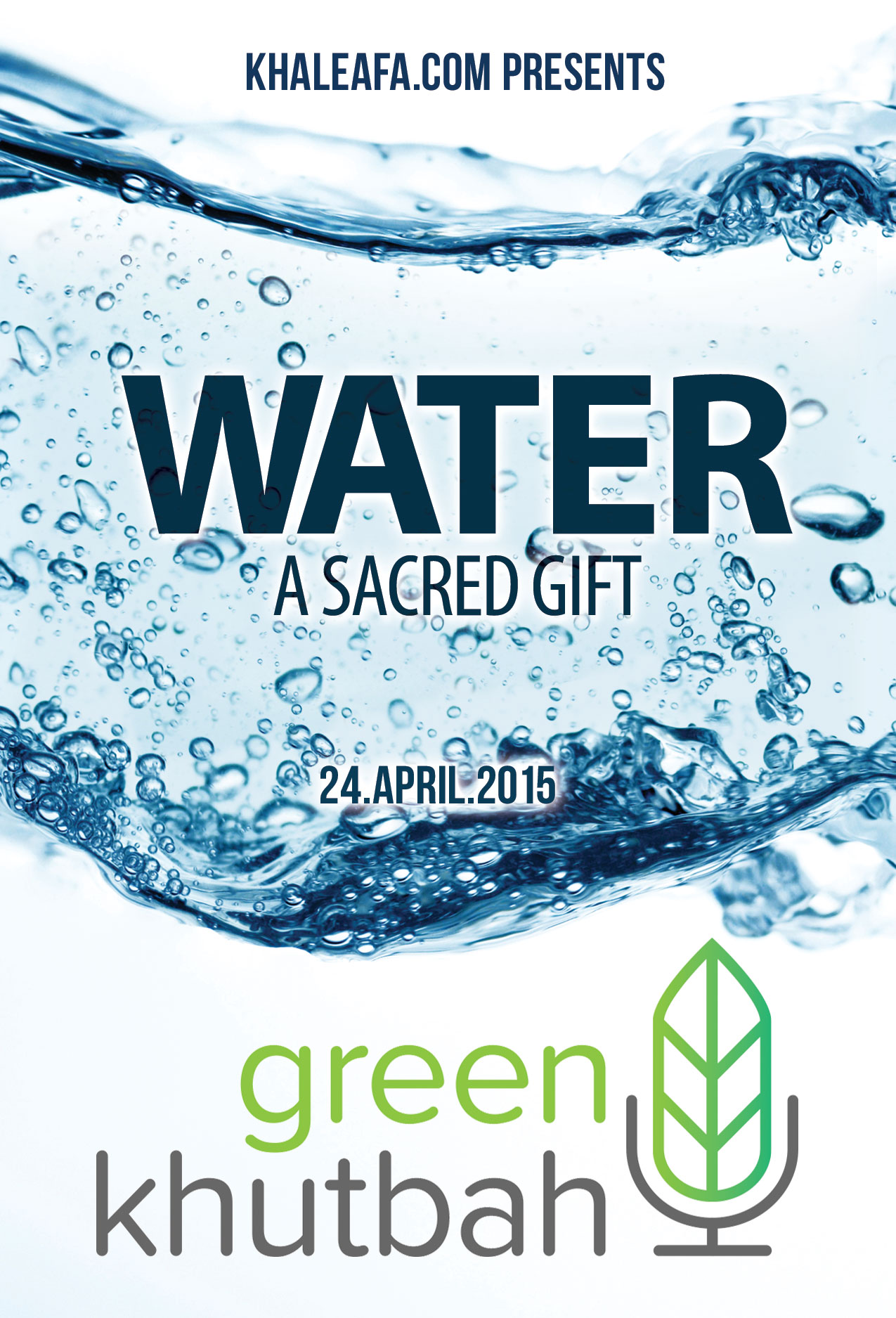
TORONTO, March 16, 2015 - Muslims across the world will commemorate Earth Day on Friday, April 24th, 2015, with the ‘Green Khutbah Campaign’ as religious leaders deliver a sermon to raise awareness on the environmental challenges facing humanity.

“The theme of this year’s Green Khutbah Campaign is “Water – A Sacred Gift,” said Muaz Nasir, the publisher of the Canadian environmental website, Khaleafa.com and one of the founders of the Campaign. “God states in the Qur’an, ‘We made from water every living thing (21:30),’ and we hope, this year, to raise awareness on the immense gift of water that we’re blessed with.”

“The Campaign challenge is to request all Muslims to commit to protect, care for and wisely use our water resources with the 3 C action plan: Consume wisely, Conserve responsibly and Care for our waters.”

The Campaign was launched in 2012 in Canada and, every year, Imams across the world are encouraged to deliver a message that remind their congregations of the Qur’anic message to be stewards of the earth and its environment.

The ‘Green Khutbah Campaign’ commemorates Earth Day that will take place on Wednesday, April 22.

The first Earth Day, held on April 22, 1970, activated 20 million Americans from all walks of life and is widely credited with launching the modern environmental movement.

More than 1 billion people across the world now participate in Earth Day activities each year, making it the largest civic observance in the world.

Environmental concern around the world is on the wane, according to the GlobeScan global poll that tracked public concern on six environmental issues.

The poll found that across eighteen countries, public concern about water pollution, fresh water shortages, natural resource depletion, air pollution, climate change and biodiversity loss is way down from its peak in 2009.

However, Muaz Nasir says that Muslims cannot tune out from the environmental damage.

“Tuning out would mean that we are disregarding our moral responsibility to God’s creation,” he said.

“Those who violate or abuse the Trust are described in the Qur’an as those who corrupt, degrade and bring ruin on earth,” Muaz Nasir added. “The corrupters abuse the Trust and are in clear contrast to what Muslims must be - the stewards of the earth.”

An extensive online resource has been created by Khaleafa.com (www.Khaleafa.com/greenkhutbah) to support the ‘Green Khutbah Campaign’ and Islamic organizations and well-known leaders are throwing their support behind the initiative.

## For more information, photos or to arrange an interview please contact:

Umar Nasir, Media Relations,

Green Khutbah Campaign e: http://khaleafa.com/contact

A Testament to Multifaith Collaboration

FCG_OTF1b-577x400
FCG_OTF1b-577x400

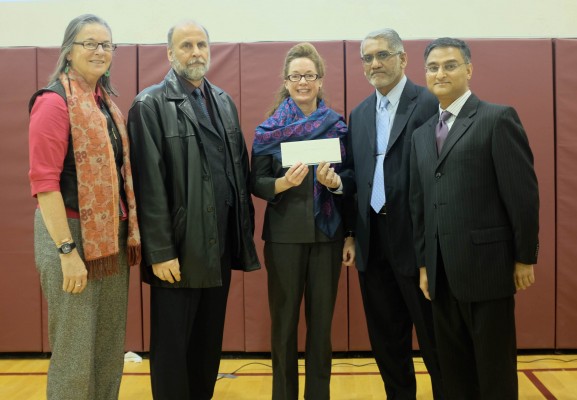
The support of a leading community foundation for the charity, Faith & the Common Good (FCG), is a testament to the value of multi-faith collaboration said Dr. Lucy Cummings, Executive Director of FCG.

Cummings made the remarks on Sunday at the announcement of a grant to Faith & the Common Good by the Olive Tree Foundation (OTF).

“The support for our work from the Olive Tree Foundation is an important sign of support from a leading Canadian Muslim community foundation,” said Dr. Lucy Cummings.  “This is not only a deep honor, but a testament to the value of multi-faith environmental collaboration in Canada.”

The grant was announced at the Annual Awards Ceremony of the Olive Tree Foundation held at the Sayeda Khadija Centre in Mississauga on Sunday, November 30.

“The Olive Tree Foundation is very pleased to be able fund this important project of Faith & the Common Good,” said Muneeb Nasir, President of the Olive Tree Foundation, in announcing the grant. “This project will build upon the trust of Faith communities in helping vulnerable people in our society with compassionate outreach.”

Faith & the Common Good will use the grant to study how faith communities can act as neighborhood resilience hubs during the next extreme weather event. The project will develop a model that can serve as a template for future community-based responses to extreme weather.

The overall objective is to learn and understand what makes a “good” community resilience hub, specifically, what criteria need to be in place, for a Faith community to be successful in caring for the vulnerable, in the case of extreme weather conditions.

“To date, we have interviewed 12 Faith communities, from different traditions and geographical locations, in the city of Toronto, and their willingness to participate in this project has been immediate,” said Dr. Lucy Cummings.  “The Olive Tree Foundation grant will allow us to engage and mentor youth members to help us analyze neighborhood extreme weather needs at each of the faith community sites.”

“We will also lead a workshop to teach the youth volunteers how to write and present a key findings report on the topic,” she added.

Faith & the Common Good (FCG) is an interfaith organization that helps faith communities make the connection between their faith and care for the environment.

The Olive Tree Foundation is a philanthropic foundation that promotes community development through the collection of endowed funds and charitable contributions to fund services for the long-term benefit of the community.

This article was originally published on IQRA.caon December 2nd, 2014. 

YorkU Students Partake in Campus Clean-up

10056435426_08537de493_o.jpg

By: Idil Said and Syed Ali

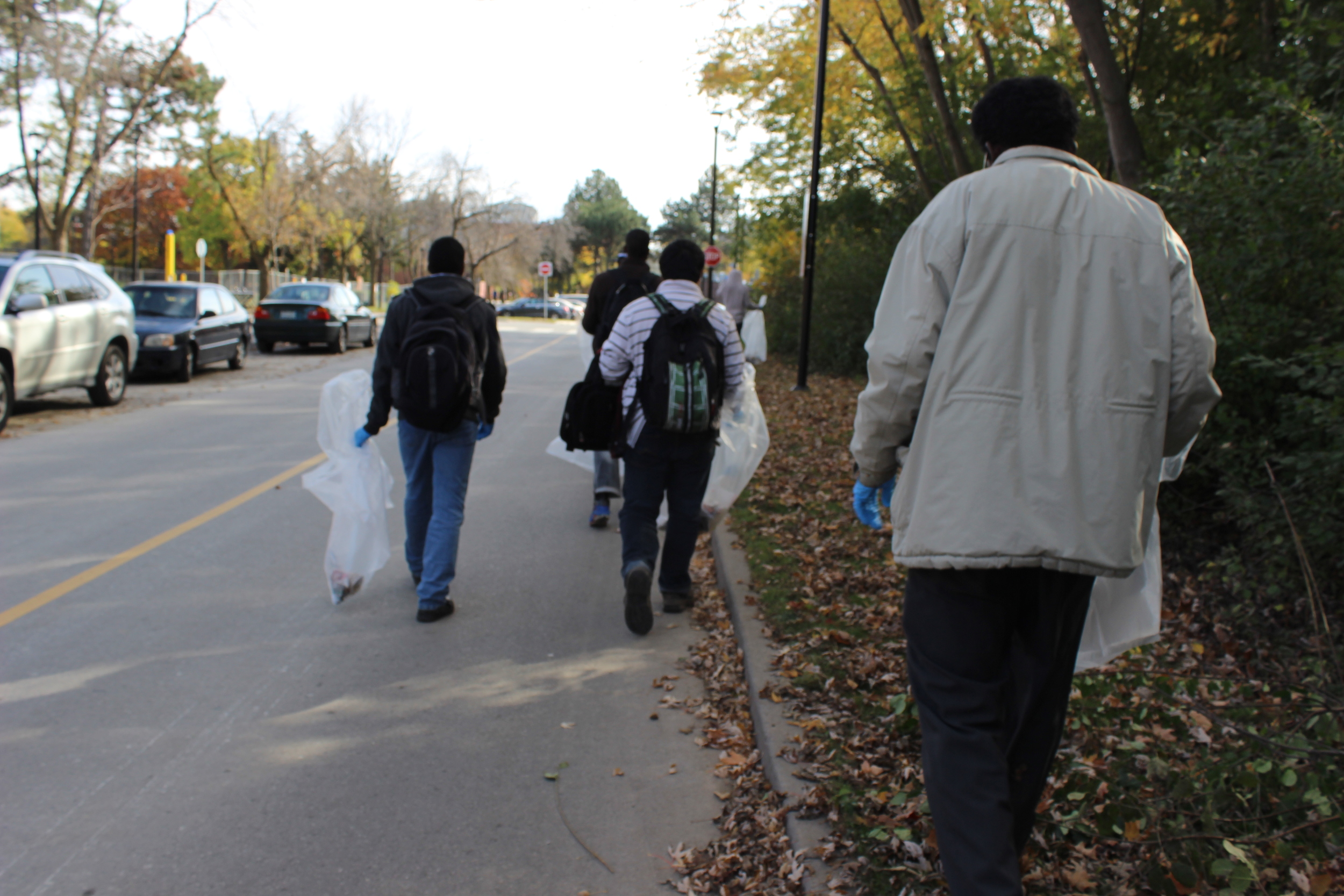
Students at York University recently took part in a campus cleanup event organized by the York Muslims Students Association and Regenesis@York. The event included the cleanup of three woodlots located on the university's property with supplies provided by Campus Services and Business Operations (CSBO). Several dozen students and staff participated in the unique collaboration between two campus groups and the unseasonably warm weather and fall colours contributed to everyone's high spirits.

“This was an uplifting experience”, commented Idil Mohamed, a participant at the event. “As I was cleaning, I thought about how we’re not just cleaning the university’s property, but God’s property, which He bestowed upon us in amanah (trust) to not only use for our benefit, but to love and care for.”

Many students came out to support the cause, even though they did not have scheduled classes that day. Considering the commuting nature of the campus, the clean-up demonstrated the passion and commitment of Muslims and non-Muslims alike towards community involvement and ecological awareness.

“It was great to see two organizations that both care for the environment to come together for a common cause,” said Mashood Khan, Campaign Director for Regenesis@York, a community environmental organization. "As well, with this event, we could make October officially Harvest Cleanup Month in Toronto just as it is in Brampton to get city-wide clean up initiatives going."

After the cleanup, students reconvened at the Scott Religious Centre for refreshments and a lecture by Imam Belal Ahmad about the environment from the Islamic perspective. This was followed by a reflection by Himy Syed about sustainability and its role in Islam.

Some lessons that were shared include the importance of stewardship over the resources Allah has provided us and the collective responsibility we have as servants of Allah. The students also learned about the natural blessings we have surrounding us and our duty to actively maintain these areas.

To learn more about this event, please visit York MSA and Regenesis@York.

IMG_5948
IMG_5948
IMG_5953
IMG_5953

Promising Environmental Action, Faiths Rise Together at Religions for the Earth Summit

10614191_10154586104760464_2243808001973684534_n-1.png

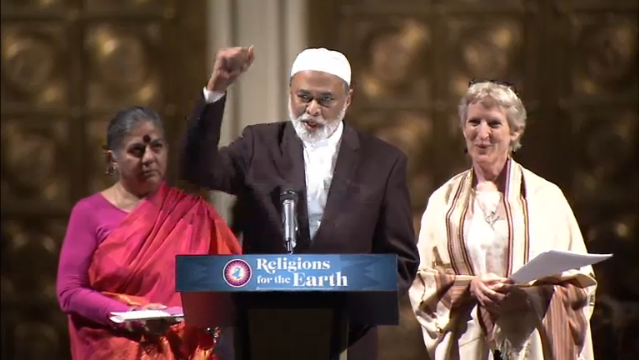
Parliament Chair Imam Abdul Malik Mujahid commits to ensuring that the forthcoming 2015 Parliament of the World’s Religions in Salt Lake City, Utah, will make sustainable living a primary focus. Imam Mujahid speaks here at the Religions for the Earth MultiFaith Service held September 21, International Day of Peace, at Cathedral Church of St. John the Divine in New York City.

Nearly half a million people marched to save the only planet we have on the 21st of September at the People’s Climate March in New York City. After exceeding goals to stage the biggest climate march in history, the day ended with an interfaith service packing thousands into the largest Cathedral in the World, St. John the Divine. Leaders spanning the faith traditions of the world vowed there to commit unprecedented action to curb climate change.

In this historic moment the Parliament, in conjunction with partners Green Faith and Interfaith Center of New York, took part in the 3-day Religions for the Earth conference presented by Union Theological Seminary. Organized by Union Forum’s Karenna Gore, daughter of Former U.S. Vice-President and global environmental champion Al Gore, the conference that brought together more than 200 leaders of world spiritual communities and interfaith organizations also leveraged partnerships with the World Council of Churches, Religions for Peace, the Jewish Theological Seminary, and the National Religious Partnership.

Months of planning and organizing- with Parliament Trustee Dr. Kusumita Pedersen at the core and Trustee John Pawlikowski advising- resulted in a great showing of support from the Parliament Board. Highlighting some of the ways that spirituality as a healing, connecting, and educational force can powerfully address the climate crisis were Rev. Andras Corban Arthen of the Earth Spirit community, who spoke on an Indigenous Peoples panel, Rev. Dr. Anne Benvenuti, author and educator, who discussed the spiritual connection of humans and other animals, and Phyllis Curott, attorney and Wiccan priestess, who led an opening session prayer. Parliament Trustee Emeritus Naresh Jain, who serves currently on the Parliament’s UN Task Force, was also in attendance. The Parliament’s Executive Director, Dr. Mary Nelson, connected with former Vice President Al Gore, as did Parliament Chair, Imam Abdul Malik Mujahid, who spoke at the closing Multi-faith Service.

What amplifies the voices of faith communities today is hoped to carry over into massive action at the forthcoming 2015 Parliament. Speaking to the Multi-faith Service at the Cathedral of St. John the Divine on the evening of September 21, Imam Abdul Malik Mujahid made a public commitment that the 2015 Parliament will take on climate issues and sustainable living as a prime focus.

The Parliament applauds the remarks offered by its partners,  especially those shared by Deputy Secretary General of the United Nations Jan Eliasson at the Religions for the Earth Multifaith Service. Concerning what spiritual communities who work together harmoniously can achieve, Eliasson said, “Faith leaders like you here today have an essential role to play. You can set an example of dialogue and of mutual respect. You can use your pulpits to convey important messages as we have heard today. You can reach across lines of faiths and across the lines of identities that might otherwise divide people. I ask you, I plead with you to continue to remind us of the ethical and moral dimensions of climate change. Such efforts related to higher morality are needed not only on environment, but in general, at a time when we are seeing so much of sectarian turmoil and hatred around the world. I thank you all for mobilizing the positive power of religion…”

Press Release from the Council for a Parliament of the World’s Religions

British Muslims Go Green: 100km Cycle Challenge and First Eco Fair

10641252_10152219234007127_7164810643433716213_n.jpg

Made in Europe  

Press Release: British Muslims went green this Saturday, 6th September, as Muslims from all over London took part in a 100km cycle ride from Mosque to Mosque. Muslims pray 5 times a day from dawn till dusk, and each ‘Salah’ prayer constituted a different stop at some of London’s most iconic houses of worship, from the East London Mosque, all the way to the al Manar Mosque in West London.

The ‘Tour de Salah’ challenge, organized by MADE in Europe, forms part of a wider campaign called ‘Green Up My Community’ supported by the City Bridge Trust and aimed at increasing awareness of environmental issues, as well as sustainable practice within the Muslim community. MADE is a grassroots organisation serving to empower young Muslims to make change within their communities, through campaigns and education. The Green Up Campaign is targeted towards Mosques, promoting awareness of climate change and its effects, as well as working with the Mosques to become beacons of environmental justice through efficient waste management and water and energy consumption.

One of the Mosques looking to take an active role on the issue is the London Central Mosque in Regents Park, which co-hosted the first Muslim-led Eco Fair with MADE. As the third ‘Salah’ stop on the map, this was an opportunity for people of all ages, family and friends, Muslims and non- Muslims, to gather for a day of fun and activities, and learn something new about the environment that we all share. With Mosques like Harrow Central, Kingston Muslim Association and the Palmers Green Mosque taking an active part in the cycling challenge, the future looks promising as more follow suit.

Environmental sustainability has become a topic of great urgency in the last few decades, and was cited as ‘one of the most serious threats we face’ by Prime Minister David Cameron. In the latest report by the UN, the effects of global warming were dubbed to be ‘severe, pervasive and irreversible’. UN General Secretary Ban Ki Moon has called world leaders to mobilise on September 23rd to discuss their commitment to reducing carbon emissions. On September 21st, people from different walks of life all over the world, including London, will be taking part in a ‘Climate March’ to demonstrate to their respective governments just how seriously they want their leadership to respond to this imminent threat.

“To some extent, it is understandable that the Muslim community is not leading the Environmental movement simply because the Muslim world in the modern era wasn’t at the forefront of damaging it,” comments prominent Muslim theologian, Sheikh Shams. “However, now that we are aware of the issue, given what our deen (religion) teaches us, given the teachings of our Prophet, we need to quickly catch up and get to the forefront because our rightful position is to be leading on all issues of preserving the environment,” he adds.

The Eco Fair boasted a range of activities and businesses, ranging from the pedal-your-own-smoothie bike, to organic and eco-friendly soaps and cosmetics, to Fairtrade cakes, solar-powered phone chargers, and upcycling workshops. The Imam of the Mosque, along with Sheikh Shams who was also cycling the whole leg, both stressed the importance of environmental activism. For many attendees, it was refreshing to see an initiative like this coming straight from within the Mosques. “I think this is a much needed event in the Muslim community, because environment and sustainability are among the key principles in Islam yet the average Muslim probably doesn’t think too much about it,“ remarks Mikhail, a Science teacher from Leicester.

“I never realized how much of a contribution bottled water actually has on the environment. Since coming here, I’ve just been thinking that we need to make a change,” commented David Tsan, one of the cyclists upon arriving at the Fair.

“If there is one thing that we all have in common, it is the custodianship of this planet,” remarked Sarah Javaid, co-founder and acting director of MADE. “In Islam, we believe that we have been given the responsibility of caretaking the Earth as Allah’s vicegerents, and so we see no better cause to unite over. It is great to be working with Mosques, and to see them leading the way on such initiatives. We hope to continue our work with Mosques and really watch them pioneer sustainable change“

As the threat of global warming increases by the day, such initiatives are a welcome effort and a call for further action from both the faith and non-faith communities to stand united in preserving our planet.

10686920_10152219234332127_1967155360756356956_n

1.    MADE in Europe is a UK-registered charity which works to mobilise young Muslims to take action against global poverty through volunteering, campaigning and education.  For more info seewww.madeineurope.org.uk

2.    For more info on Tour de Salah: http://www.madeineurope.org.uk/get-involved/tour-de-salah

3.    For more info on the Eco Fair: http://www.madeineurope.org.uk/get-involved/made-fair

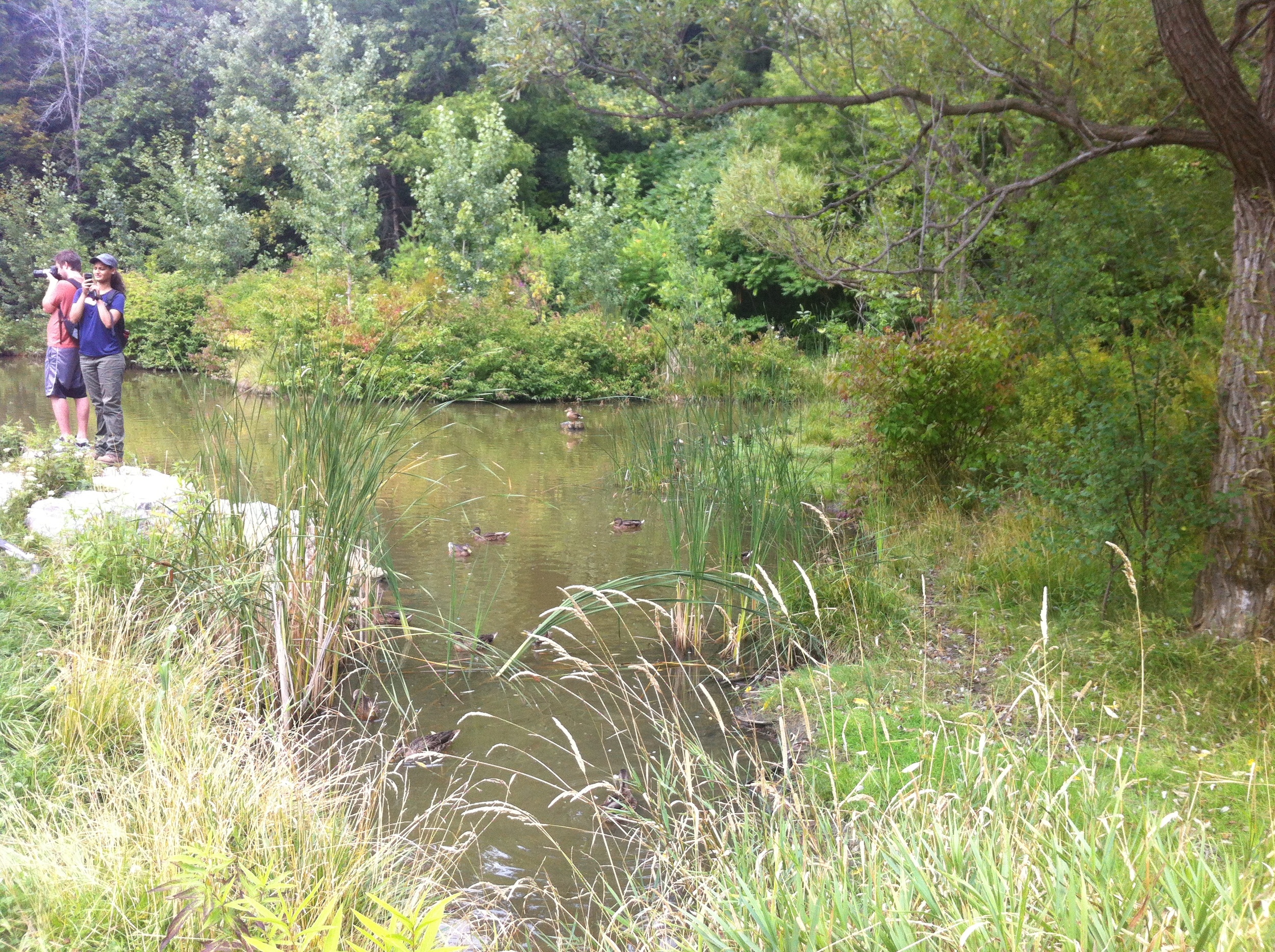
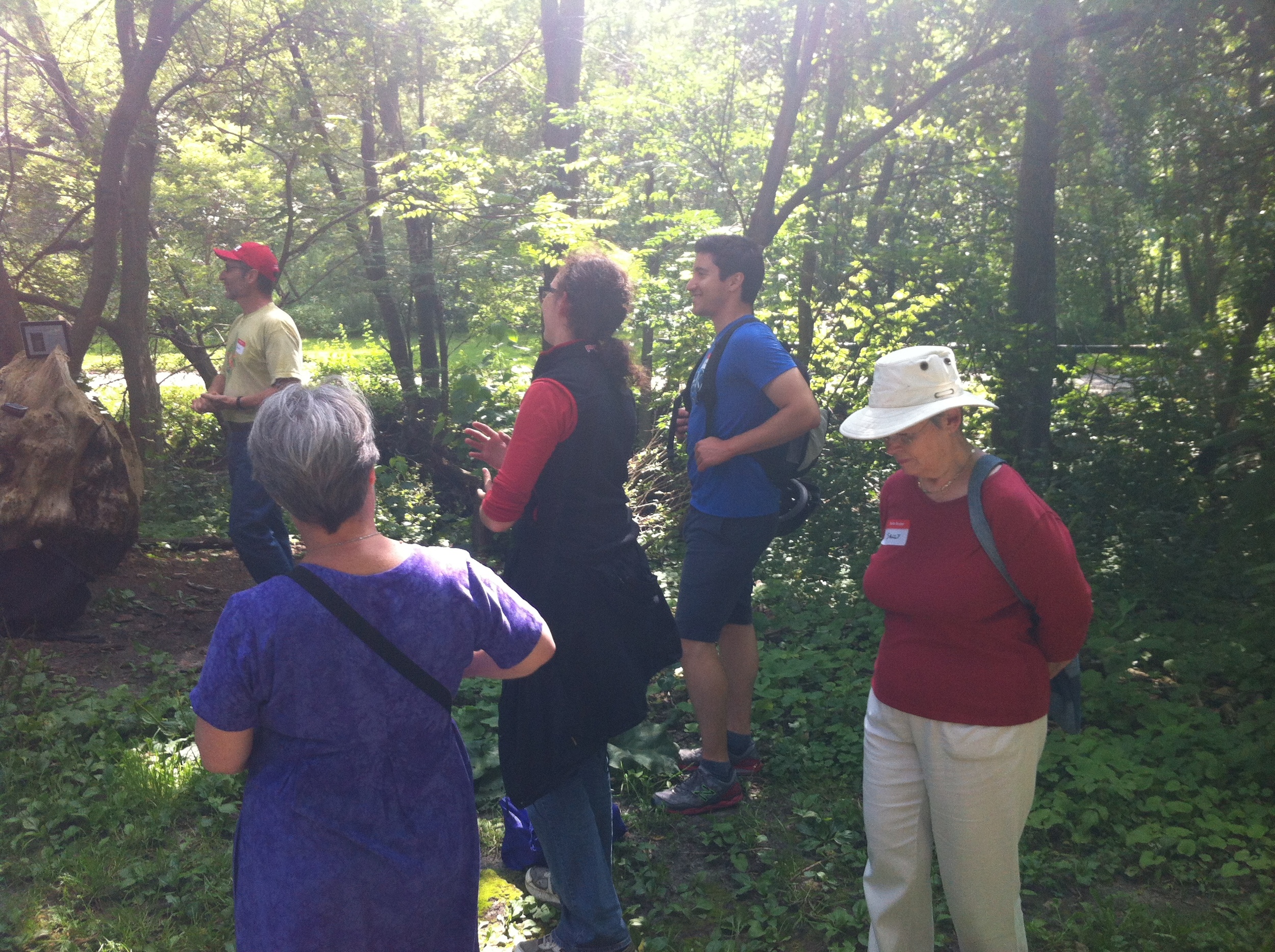
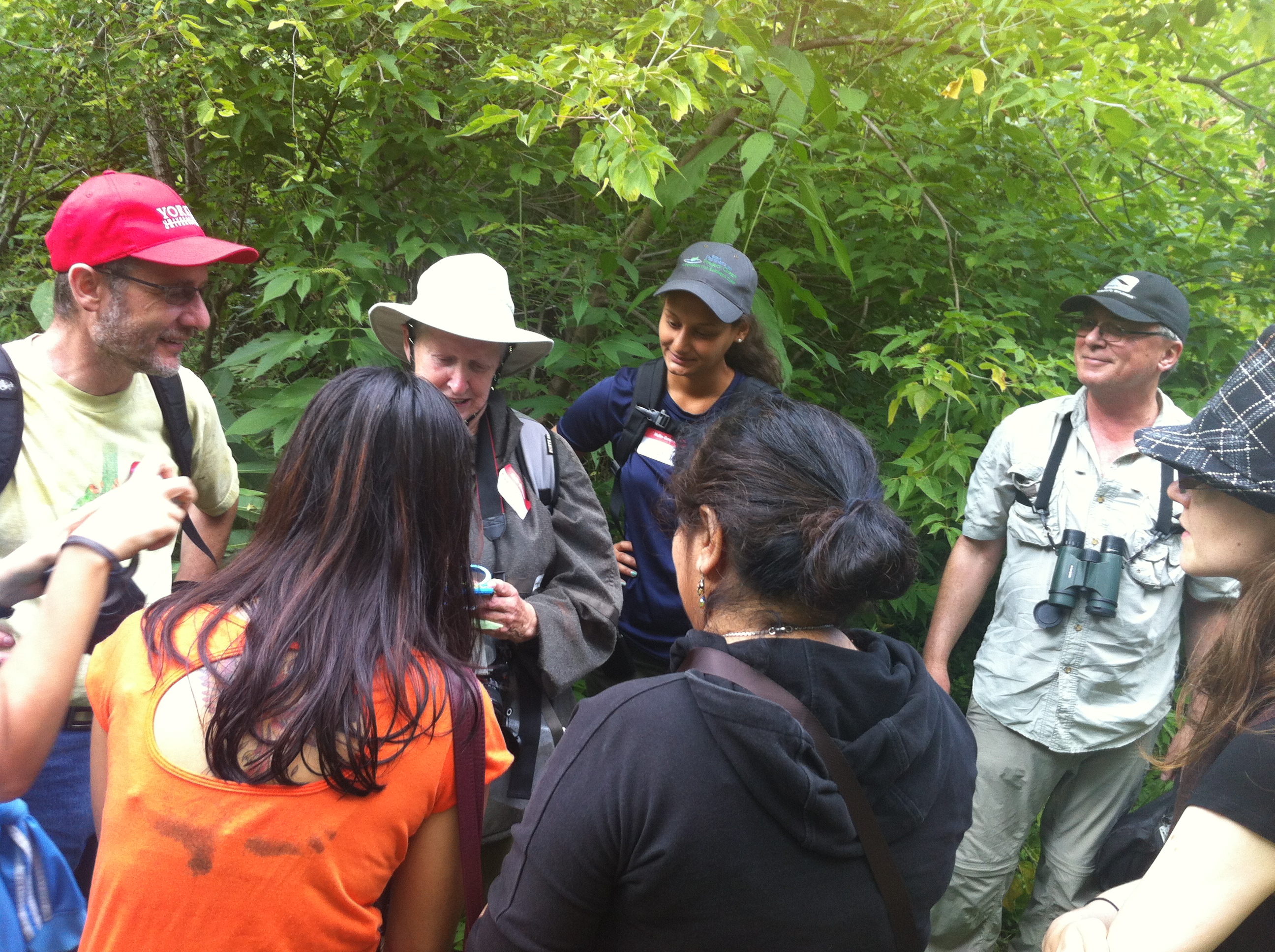
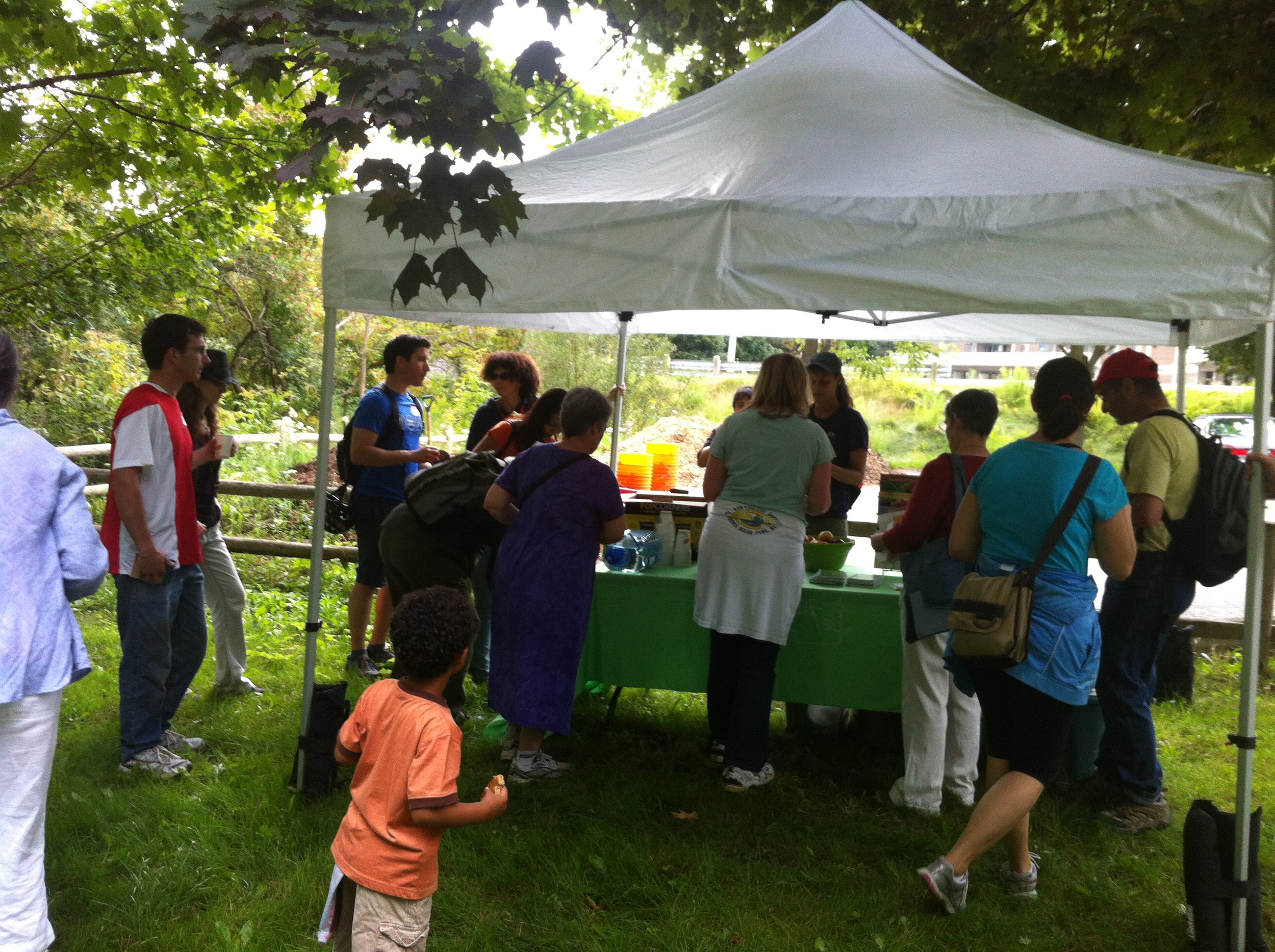
Interfaith Guided Hike - Photos

IMG_5622.jpg
Thank you for attending the Greening Sacred Spaces Guided Hike yesterday afternoon. The feedback we received was overwhelmingly positive and everyone had a great time.
IMG_1106 IMG_1100 IMG_1104 IMG_1103 IMG_1112 IMG_1115 IMG_1118 IMG_1129 IMG_1127 IMG_1137 IMG_1139 IMG_1145 IMG_1146 IMG_1147
As promised, we have included some links to the participating organizations that helped put this event together. We would like to thank them for their contribution and for making this event a success.
Greening Sacred Spaces (http://www.greeningsacredspaces.net/)
Toronto and Region Conservation Authority (http://www.trca.on.ca/)
The Don Watershed (www.DiscovertheDon.ca)
Khaleafa.com (www.khaleafa.com)
City of Toronto (www.toronto.ca/parks)
The speakers that presented were:
Margaret McRae - Toronto Field Naturalists (http://www.torontofieldnaturalists.org/)
John Wilson - Lost Rivers (http://www.lostrivers.ca/)
Baruch Sienna - Author of The Natural Bible (http://thenaturalbible.weebly.com/)
Emily Gordon - M.Div. student
Jennifer Gordon - Green Awakening Network (http://www.tucc.ca/churchdevelopment/green-awakening-network.html)
Muaz Nasir - Toronto Water
TRCA Staff :
Michael Charendoff - Project Coordinator, Don River Watershed (mcharendoff@trca.on.ca)
Lisa Ward - Coordinator, Multicultural Program Stewardship & Outreach Education (lward@trca.on.ca)
Liana D'Andrea - Stewardship Assistant (ldandrea@trca.on.ca)

Interfaith Guided Hike

114H.jpg

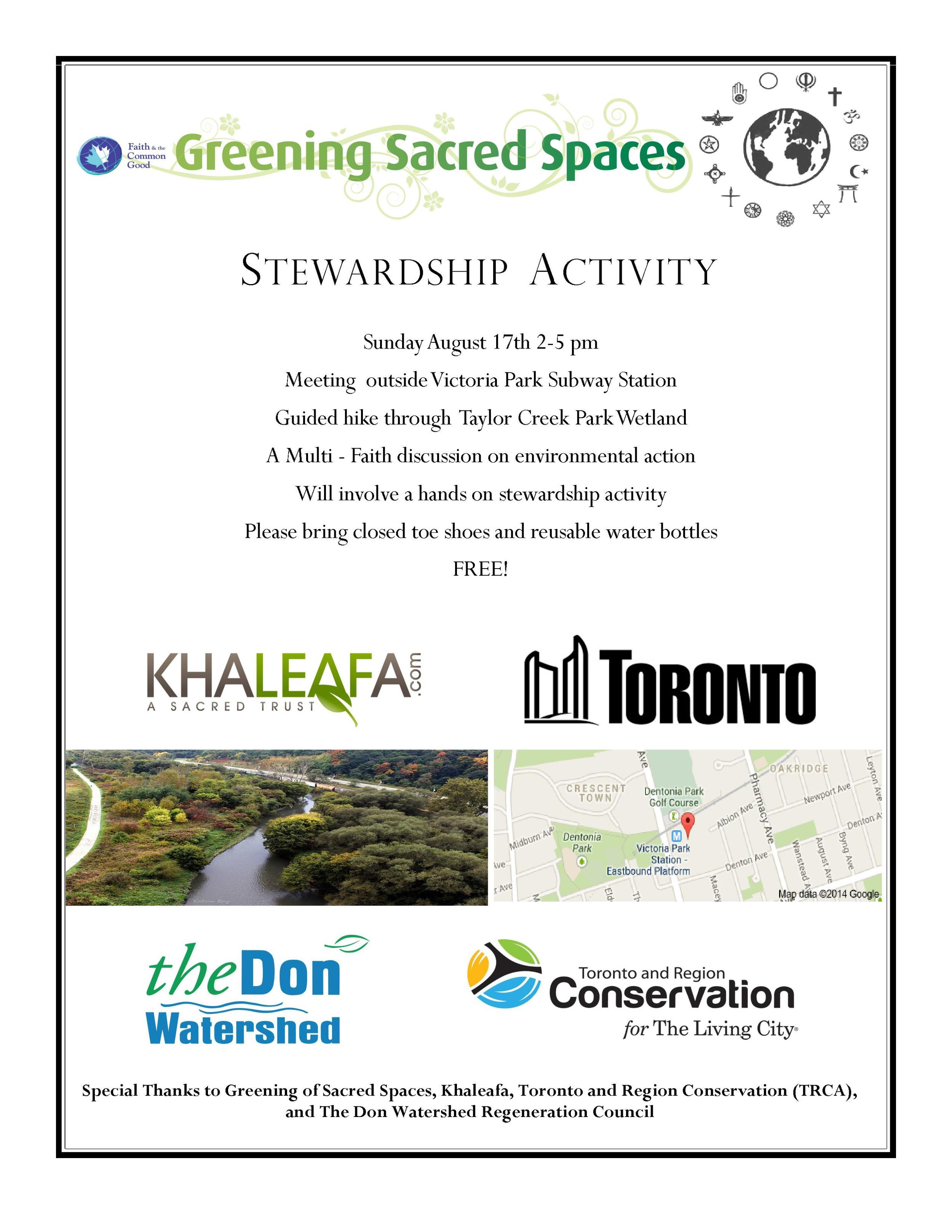
Khaleafa.com is a proud supporter of the upcoming Greening Sacred Spaces - Guided Hike. This interfaith stewardship activity will delve into the spiritual perspective on environmental and ecological stewardship. Spaces are limited, so sign up early to avoid disappointment. Join Greening Sacred Spaces for a guided hike at Taylor Creek Park! Conveniently located near the Victoria Park subway station and free of admission, this exciting event welcomes young adults from every faith background.

On this hike, you can look forward to guides from different faith communities and former members of the Don Watershed Regeneration Council. Religious leaders will address the following questions: “How does your faith articulate the need for stewardship of water and trees? How is that reflected in contemporary society?” You can also expect to participate in stewardship activities such as mulching, weeding, and picking up litter. Refreshments will also be served!

The hike will begin promptly at 2:00 pm at the Victoria Park subway station. Please wear closed-toe shoes and long pants. It is also advisable to bring a hat and a reusable water bottle.

This event is sponsored by Greening Sacred Spaces.

Stewardship Activity-page1

One Million Trees Campaign

Earth
Earth

Help Evergreen improve wildlife habitat in Mississauga by joining us to plant native trees and shrubs in the Applewood Greenbelt!

Saturday, May 31 10am–noon

A planting demonstration will be provided, along with gloves, tools, and light refreshments. Event will run rain or shine. Please dress in weather-appropriate clothing, including sturdy (closed-toe) footwear, and bring a water bottle.

Evergreen supports the City of Mississauga's One Million Tree Campaign and will be entering the plant information on their behalf.

Location and Meeting Place: Applewood Greenbelt is located Southeast of Eastgate Pkwy and Tomken Road in Mississauga, and is accessible from Willowbank Trail between Lee Drive and Highgate Place. An Evergreen representative will meet you on the north side of Willowbank Trail. See map for more information.

If driving, parking is available along Willowbank Trail, as well as in designated areas along the other residential streets. Transit, cycling, walking or carpooling is encouraged. For a transit route near you consult the Mississauga Trip Planner.

Sacred Science and the Environmental Crisis

Dr. Nasir By: Muaz Nasir

This past weekend marked the 12th annual Reviving the Islamic Spirit Conference in Toronto, Canada. The conference brings together academics and scholars from across the world and engages participants in lectures ranging in topics from civic engagement to environmentalism from an Islamic perspective.

This year Dr. Seyyed Hossein Nasir, prominent author, researcher and lecturer at George Washington University, spoke on the issue of Sacred Science and the Environmental Crisis. For several decades Dr. Nasir has called for the revival of the sacred sciences and has written extensively on the paradigm shift needed on how we interact with nature. Some highlights from his lecture have been summarized below.

The contrast between sacred and modern science is great, but not mutually exclusive.

  • Sacred science refers to a field of study that is rooted in the ancient sciences and refers to a world that is rooted in the divine.
  • Sacred science includes a hierarchal universe at the metaphysical level, such as Angels as referenced in the Quran. Modern science however is the negation of other forms of reality and reduces it to the singular sense. This leads to a universe that is truncated and eventually to a disassociation with nature.
  • Modern science does not deal with the nature of things as they are but interacts with it from a particular world view. In the west, the foundation and goal of science is power compared to the Islamic perspective which is wisdom.
  • This idea of power and control over nature is derived from an experimental design that is based on the controlled experiment rather than through observation alone. This creates a particular way of understanding nature through control.

Western science has inherent limitations that can only be overcome by incorporating the sacred sciences.

  • Modern science is not based on how nature is, but how it is controlled. The foundation of modern science begins with the denial of the non-quantitative aspect of reality which reduces nature to aspects such as force, distance, weight or measure.
  • All other factors such as colour, form or beauty are deemed as subjective and how we immediately react with the world is disqualified under the guise of modern science.
  • Modern science operates completely without the necessity of God and creation is decreed as irrelevant even as a hypothesis. We praise this science without even thinking what it means for Islam and without regard for the ethical/social ramifications.

The globalization of the idea of western science as the only way is destructive

  • Before modern times many societies cultivated science and held it to include the integration of pure/applied sciences with the social and spiritual constructs that incorporated faith.
  • Science was always related to the divine (sacred sciences). Human reason never operated independent to the presence of God.
  • Nature was always considered to be created and sustained by God  (to be an ayat or sign of God) and the Quran includes many messages appealing to the phenomenon of nature.
  • The secularization of the sciences has removed the ethical and social component and has yielded a narrow vision of how the field is applied.

The environmental crisis is real and is inextricably tied to the spiritual crisis the world is facing

  • Many acknowledge that there is an environmental crisis but do not make the connection that this is often tied to an inner spiritual crisis and our perception of the natural world.
  • The Islamic sciences need to be revived from an intellectual level where traditional knowledge is taught authentically and in a manner that integrates societies together.
  • The environmental crisis is an external sign of an inner crisis within ourselves. The externalization of the spiritual crisis within modern humanity cannot be solved without the removal of this inner crisis and coming to peace with God.

You can find more information about Dr. Seyyed Hossein Nasir, including a complete listing of his lectures, courses and books on his website.

Interfaith Gardening Initiative Empowers Youth

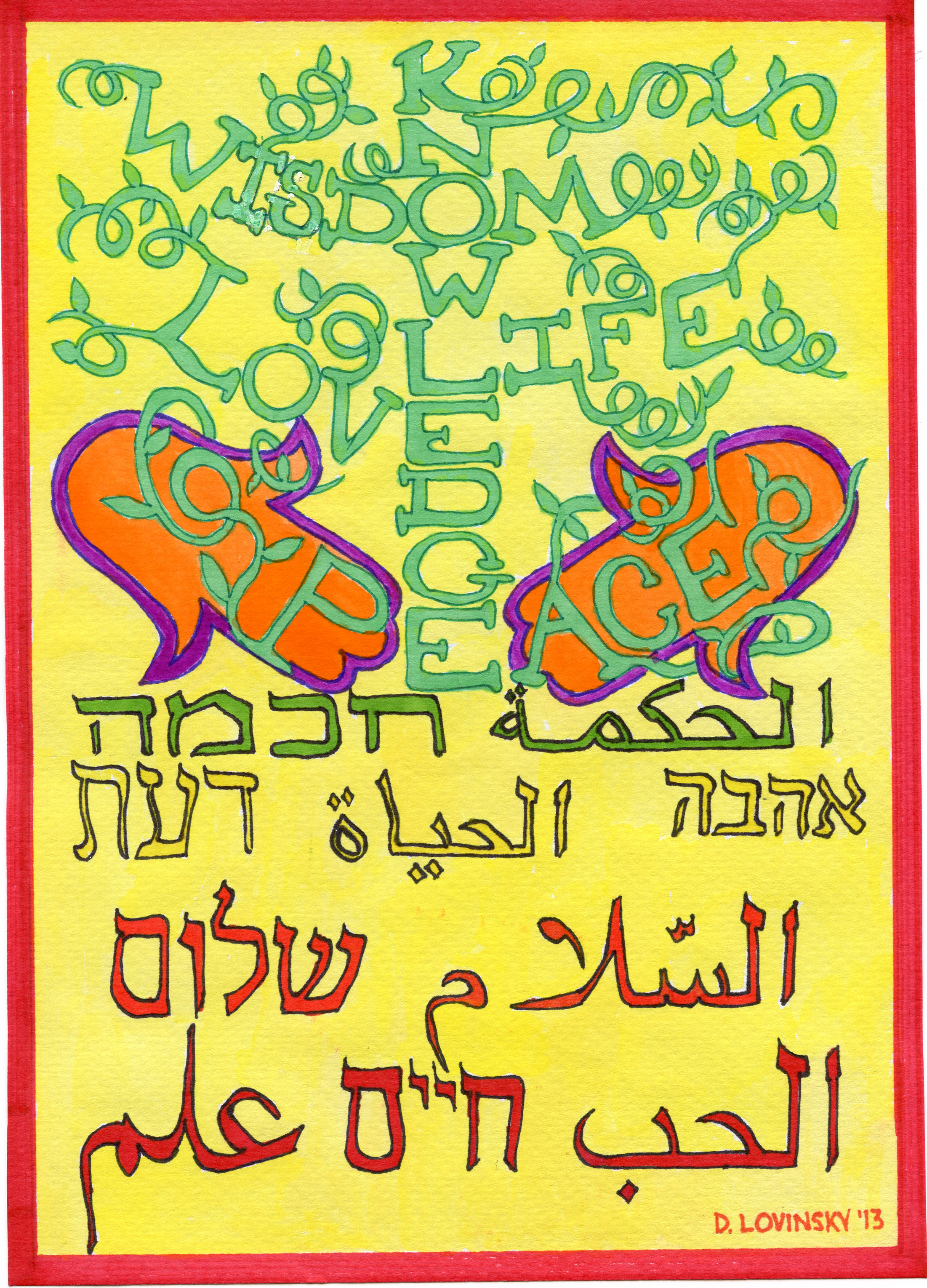
Seeds Project Graphic Although it may not feel like we are entering the final stretch of April, Spring is definitely in the air and gardeners across the country are eager to get the planting season underway.

Faith communities are also making preparations for their community gardens and are busy incorporating religious and spiritual teachings into the design and cultivation of their plots.

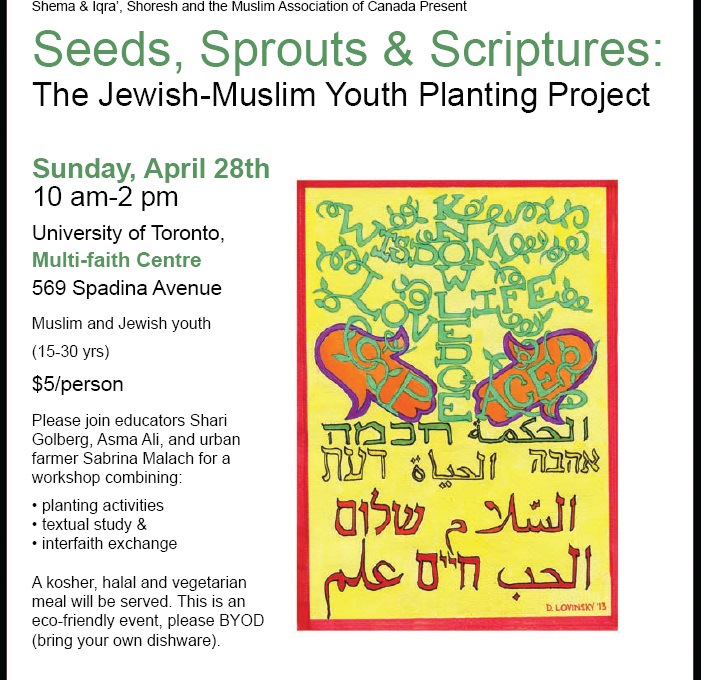
In keeping with the spirit of faith-based community engagement, Seeds, Sprouts & Scriptures: The Jewish-Muslim Youth Planting Project is set to take place on April 28, 2013.

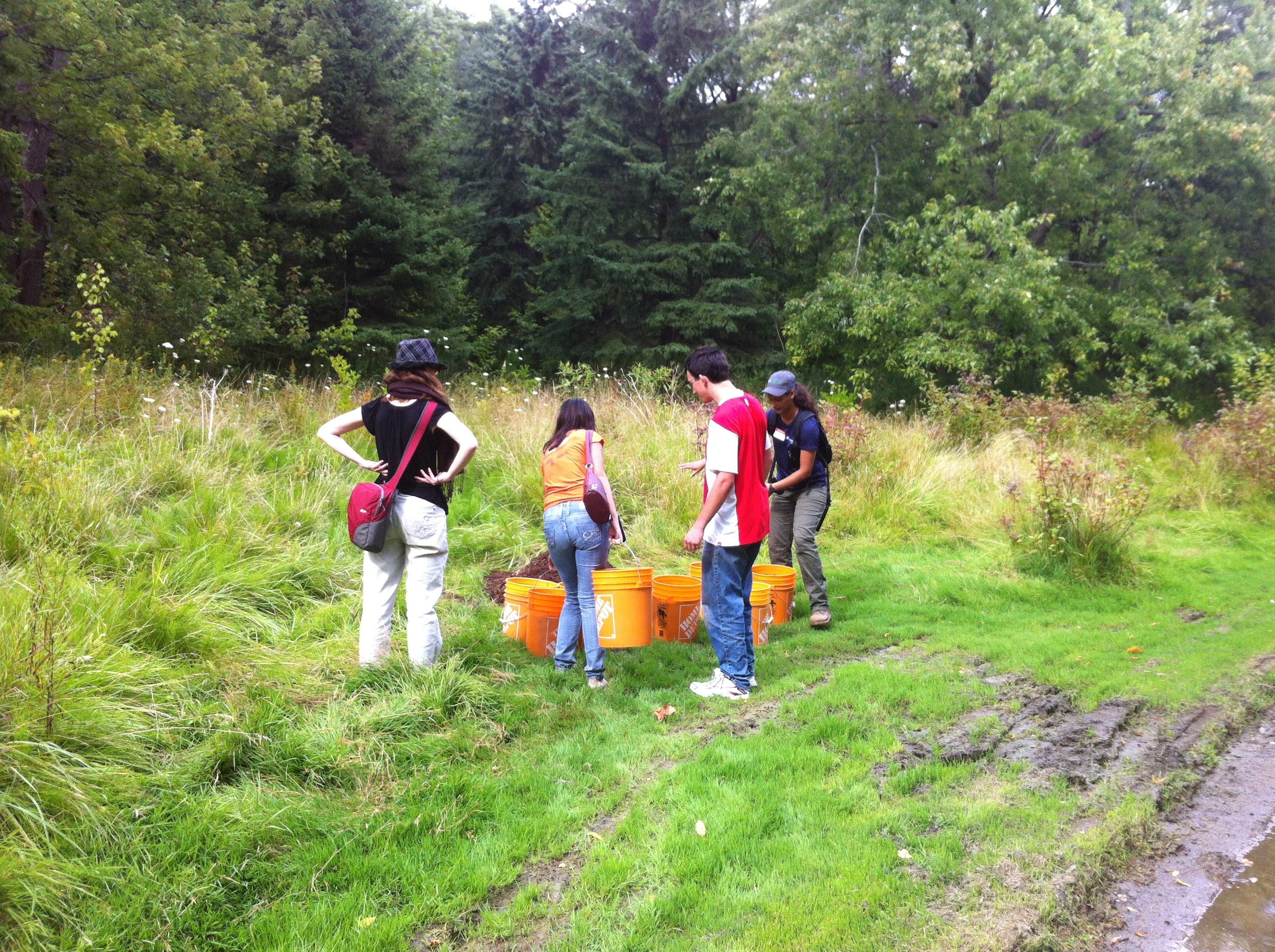
This unique workshop will provide an opportunity for youth in both communities to connect with their spiritual roots and explore the ecological framework that are common in both the Muslims and Jewish traditions.

The goal of the event is meant to facilitate a discussion between both communities - to help Muslims and Jewish youth connect with their roots by planting seeds and learning more about what their traditions have to say about environmental repair.

The hope is that this initiative will help spark a commitment to meaningful dialogue, cooperation and sustainability among Jewish and Muslim youth.

“Exploring the natural world helps us see how deeply connected we all are, both to other humans and to all forms of life, big and small,” explains Shari Golberg, facilitator of the workshop. “I think that for many people, the intricacies of nature are signs of the divine imprint in the world, which is an idea repeated throughout the Quran.”

Sabrina Malach, Director of Community Outreach at Shoresh adds, “If a person believes in a Creator, then they likely acknowledge that nature is part of the Creator's creation. Nature is G-d's work and humans manipulate it for better or worse. When we are in contact with nature, we are arguably, closer to the Divine Creator.”

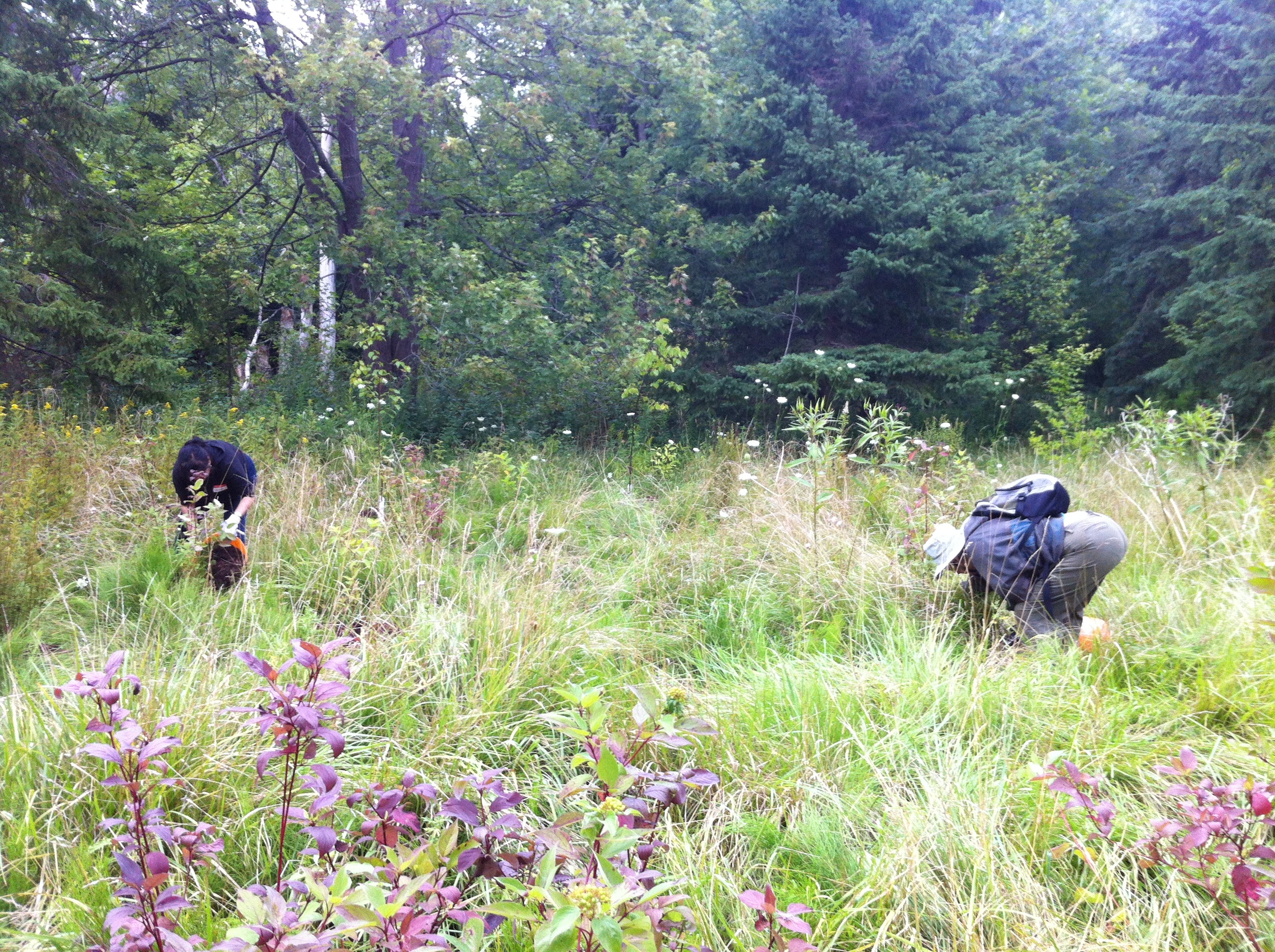
The workshop is divided into several portions, including a textual background of the religious scriptures, small group discussions about the teachings, and a creative planting component meant to apply the lessons learned.

The interactive format is meant to bring together the two communities around their shared beliefs and strengthen their connection to nature.

“The Prophet Muhammad, may the peace and blessings of God be upon him, emphasized that human beings are stewards of the earth; our responsibility is to care for her well-being and all of the creatures that live here,” says Asma Ali, Outreach Director at the Muslim Association of Canada (MAC) which is collaborating on the event. “We want to follow his example and adhere to his teachings, which is why we participate in these important initiatives.”

MAC has been a pioneer in implementing green initiatives at their centres and schools and has performed green audits and implemented recycling and waste reduction programs in a number of their buildings.

In 2010-2011, Olive Grove School was selected by EcoSource to be a “Green School” and the Rose City Islamic Centre has planned and budgeted for the installation of solar panels on its roof.

“Our plan is to foster environmental conscientiousness in our youth who will become leaders of our centres and activities in the future. We would like them to implement stewardship projects throughout our activities in the future, God-willing,” Asma added.

Those interested in participating in the workshop are encouraged to sign up online at: http://multifaith.utoronto.ca/Events-And-Programs/Seeds,-Scriptures.htm

The Seeds, Sprouts & Scriptures: The Jewish-Muslim Youth Planting Project workshop is a collaborative effort between Shema and Iqra': The Jewish-Muslim Text-Study Project, Shoresh: Jewish Environmental Programs and The Muslim Association of Canada, with the support of the University of Toronto, Multi-faith Centre. Khaleafa.com is a proud sponsor of this initiative.


Poster

Muslims across the world to celebrate Earth Day by ‘Greening their Deen’

Mosque Entrance By: Muneeb Nasir

(April 14, 2013) – Muslims across the world will be encouraged to ‘Green their Deen’ on Friday, April 19th, 2013,  as religious leaders will deliver a sermon as part of the Annual Green Khutbah Campaign  to raise awareness on the environmental challenges facing humanity.

“We are encouraging mosques, schools, universities and Islamic Institutions to devote their Friday Khutbah to celebrate the blessings, graces and beauty of all of God’s creation and to raise awareness on the environmental challenges facing humanity,” Muaz Nasir, the publisher of the Canadian environmental website, Khaleafa.com and one of the organizers of the campaign, told IQRA.

“This year’s ‘Green Khutbah Campaign’ challenge is to request all Muslims to commit to the 3 C  action plan – to consume less,  conserve more and care for the environment,” Nasir added.

The Campaign was launched last year and saw Imams across the North America and Europe deliver a message that reminded their congregations of the Qur’anic message to be stewards of the earth and its environment.
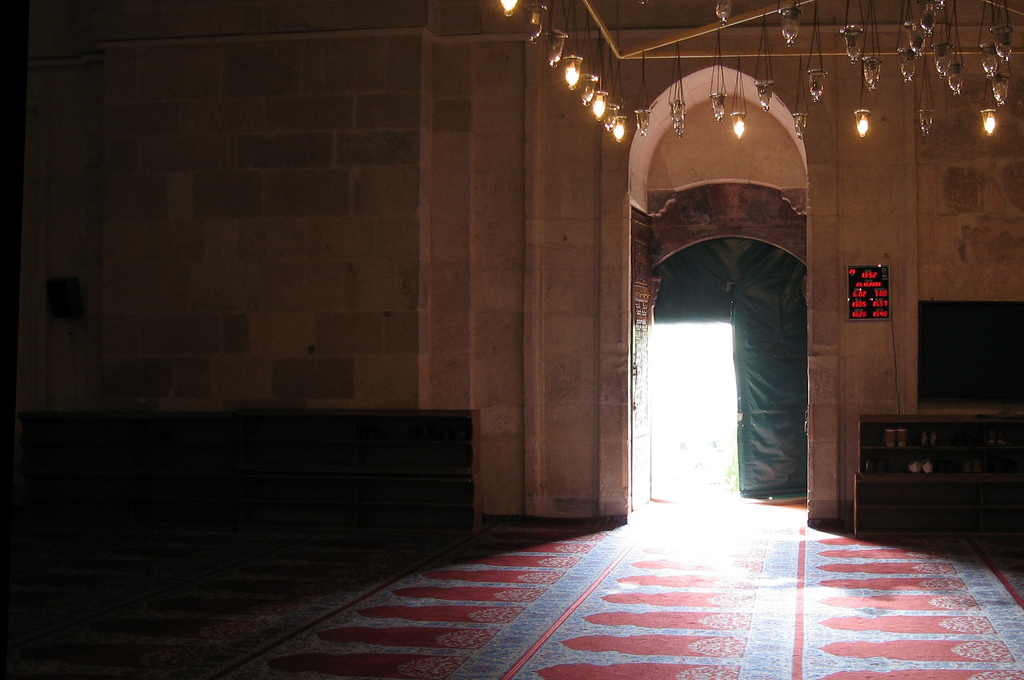
The ‘Green Khutbah Campaign’ commemorates Earth Day which will take place on April 22 and the organizers are hoping to extend the campaign to other Muslim communities across the world.

The Campaign has been picked up in other parts of the world with Muslims in Thailand and South Africa pledging to deliver a ‘green’ Khutbah.

The first Earth Day, held on April 22, 1970, activated 20 million Americans from all walks of life and is widely credited with launching the modern environmental movement.

More than 1 billion people across the world now participate in Earth Day activities each year, making it the largest civic observance in the world.

Environmental concern among the global public is on the wane, according to a GlobeScan which tracked public concern on six environmental issues in its annual Radar global poll.

The poll found that across eighteen countries, public concern about water pollution, fresh water shortages, natural resource depletion, air pollution, climate change and biodiversity loss is way down from its peak in 2009.

“The period since 2009 has witnessed the most sustained period of economic strife in most of the world’s major economies for the better part of a century,” wrote GlobScan’s Director, Sam Mountford, in an article on GreenBiz.com. “And bluntly, for many citizens, these appear to pose a much clearer and more present threat to their well-being than environmental jeopardy, which for most people remains hidden from view.”

However, Muaz Nasir says that Muslims cannot tune out from the environmental damage.

“Tuning out would mean that we are disregarding our moral responsibility to God’s creation,” he said.

“Those who violate or abuse the Trust are described in the Qur’an as those who corrupt, degrade and bring ruin on earth,” Nasir added. “The corrupters abuse the Trust and are in clear contrast to what Muslims must be – the stewards of the earth.”

An extensive online resource has been created by Khaleafa.com (www.Khaleafa.com/greenkhutbah) to support the campaign and Islamic organizations and well-known leaders are throwing their support behind the initiative.

Muneeb Nasir is a well-known community activist, writer and public speaker on religious and societal matters and is highly respected for his knowledge and involvement in religious and current affairs.

He is the Managing Editor of the online magazine website, Iqra.ca, which provides a Muslim perspective on current issues  and a freelance contributor to a number of online web sites. He was the Managing Editor of the IMPRINT newspaper and Editor of the community magazines, AN-NUR and Al-Basheer

Photo Credit: peanut99

Green Khutbah Campaign 2013

Go Green GK Assalaamu ‘alaikum, wa Rahmatullah, wa Barakatuhu,

The annual ‘Green Khutbah Campaign’ has been scheduled for Friday, April 19 2013, InshaAllah, to coincide with Earth Day 2013.

We are kindly requesting you to join the campaign and encourage your Imam and Khateeb to devote their Friday Khutbah on this day to celebrate the blessings, graces and beauty of all of Allah’s creation and to raise awareness on the environmental challenges facing humanity.

The ‘Green Khutbah Campaign’ is aiming to challenge Muslims to become stewards of the environment by making changes to their daily routines.

Although the evidence of environmental damage is stronger than ever, the public is starting to tune out due to the recent economic crisis and a lack of political leadership.

But Muslims cannot tune out from the environmental damage - tuning out would mean that we are disregarding our moral responsibility to Allah’s creation.

Those who violate or abuse the Trust are described in the Qur’an as those who corrupt, degrade and bring ruin on earth (mufsidin fi’l-Ard). The corrupters (mufsidin fi’l-Ard) abuse the Trust (amana) and are in clear contrast to what Muslims must be - the stewards of the earth (khulafa fi’l-Ard).

This year’s ‘Green Khutbah Campaign’ challenge is to request all Muslims to commit to the 3 C  action plan:

1) Consume less, 2) Conserve more and 3) Care for the environment

Please visit the website, http://khaleafa.com/greenkhutbah/, for more information and where you will find links to resources which can provide you with sample Khutbahs and resources to engage the congregation.

Please let us know if your Centre will join the campaign and if you will be delivering a Khutbah on the environment on Friday, April 19th, InshaAllah.

We kindly ask that you sign up your Mosque/Center for the ‘Green Khutbah Campaign’ by responding through the form on the website; all participating Imams, Khateebs, Mosques, Centers and supporters will be listed on the website.

Wassalaamu ‘alaikum,

Muaz Nasir

Publisher/Editor – Khaleafa.com