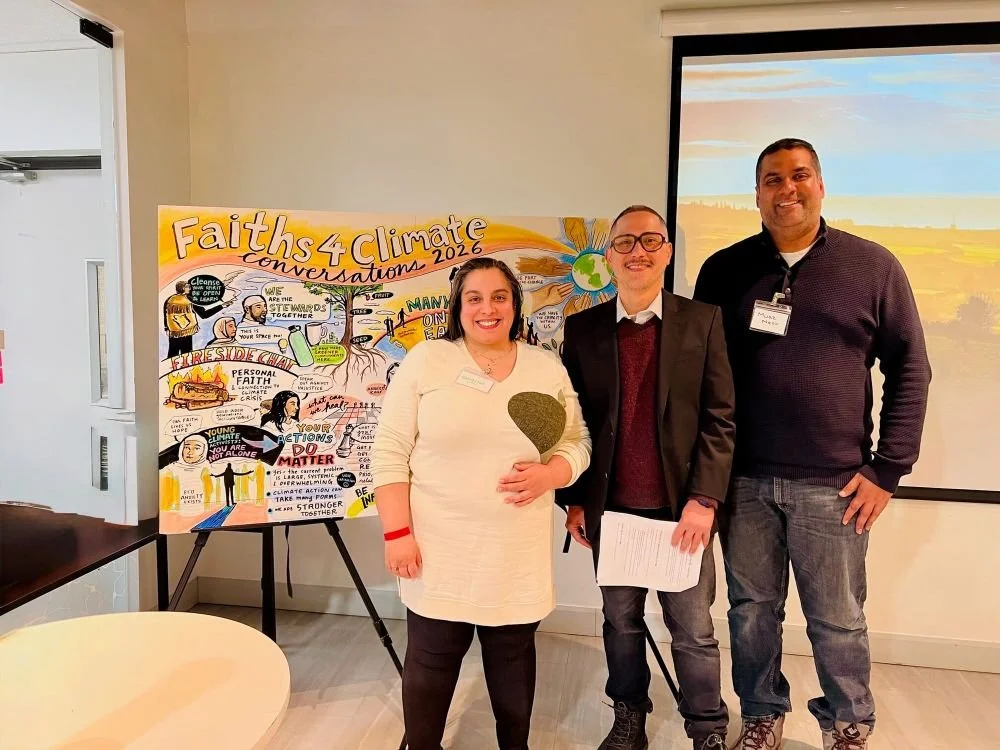


The event brought together a diverse tapestry of spiritual traditions, community activists, and local residents to address the moral and practical imperatives of climate justice and environmental stewardship through an intergenerational lens.
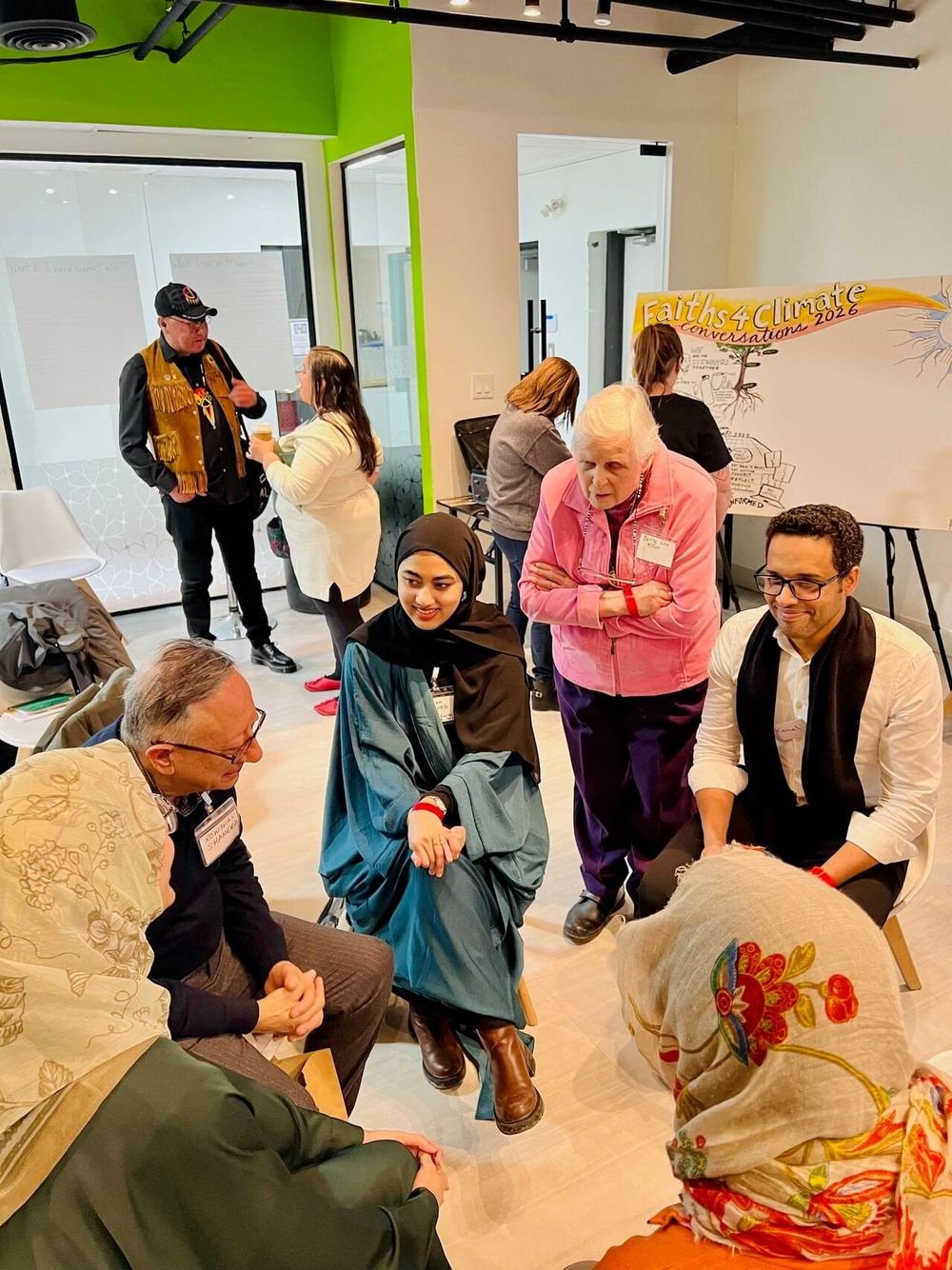
On Sunday, February 8, 2026, the ISNA Canada Centre in Mississauga served as a hub for interfaith environmentalism, hosting the third annual Faiths4Climate Conversations.
The event brought together a diverse tapestry of spiritual traditions, community activists, and local residents to address the moral and practical imperatives of climate justice and environmental stewardship through an intergenerational lens.
Organized as a collaborative effort involving groups such as EnviroMuslims and Faith & the Common Good, the gathering highlighted the growing momentum of faith-based environmental movements in Canada.
As the climate crisis intensifies, religious communities are increasingly framing ecological protection not just as a policy issue, but as a profound spiritual duty.
A Shared Moral Ground
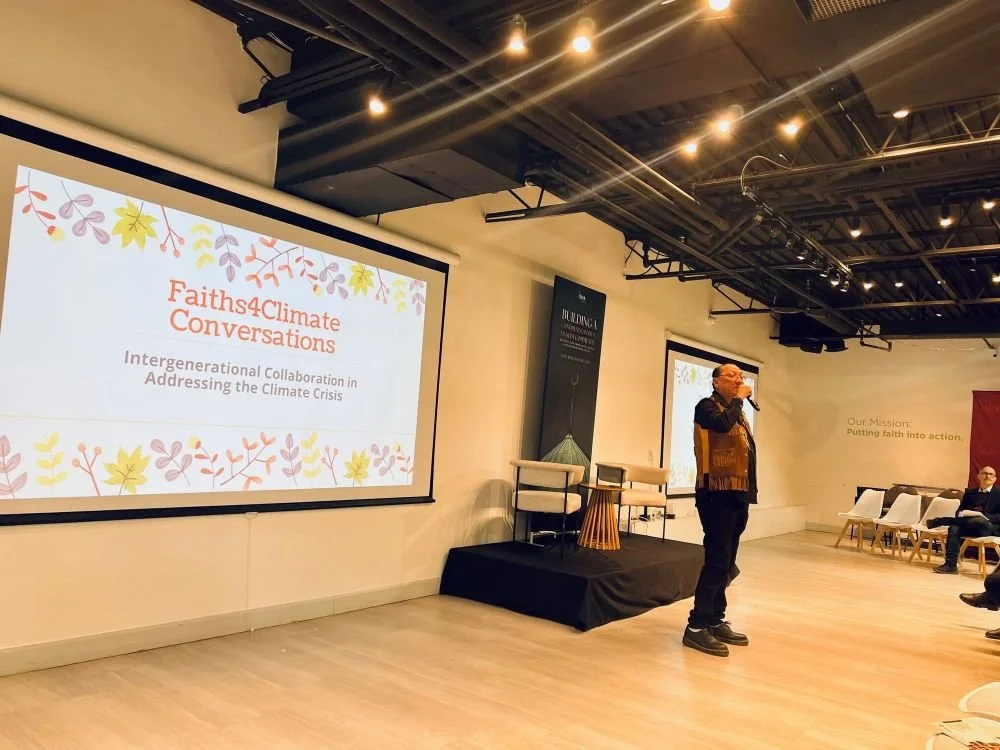
The day featured a series of panel discussions, a fireside chat and networking sessions designed to bridge the gap between spiritual teachings and modern sustainability practices.
Speakers from various backgrounds—including Muslim, Christian, Jewish, Baháʼí, Sikh and Indigenous traditions—shared perspectives on the concept of stewardship.
Participants emphasized that while theological languages differ, the underlying values of protecting the Earth and ensuring justice for vulnerable populations are universal.
Discussions centred on the idea that faith communities are uniquely positioned to lead on climate issues because of their deep roots in local communities and their ability to mobilize congregations for the common good.
The Role of Youth and Future Generations
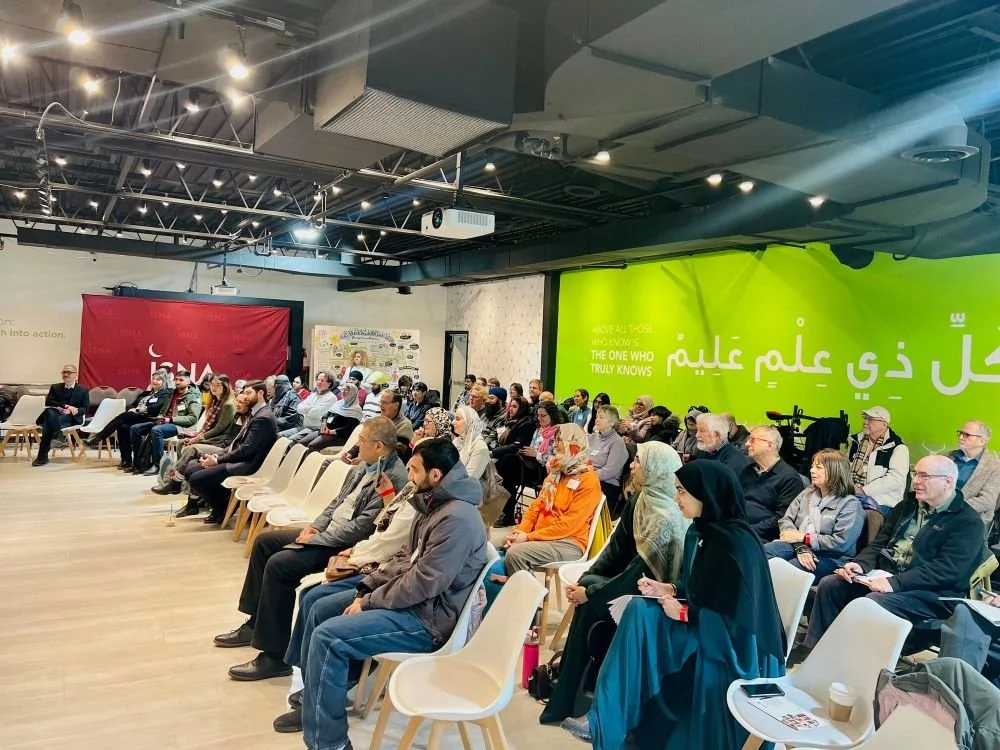
The day featured a series of panel discussions, a fireside chat and networking sessions designed to bridge the gap between spiritual teachings and modern sustainability practices.
Speakers from various backgrounds—including Muslim, Christian, Jewish, Baháʼí, Sikh and Indigenous traditions—shared perspectives on the concept of stewardship.
Participants emphasized that while theological languages differ, the underlying values of protecting the Earth and ensuring justice for vulnerable populations are universal.
Discussions centred on the idea that faith communities are uniquely positioned to lead on climate issues because of their deep roots in local communities and their ability to mobilize congregations for the common good.
Looking Ahead
The 2026 Faiths4Climate Conversations concluded with a call to action, encouraging attendees to take the lessons learned back to their respective congregations.
The event was supported by community-building organizations like the Olive Tree Foundation and the Catherine Donnelly Foundation, reflecting a broad institutional commitment to fostering interfaith dialogue around sustainability.
As participants departed, the message was clear: the fight against climate change requires more than just technological solutions—it requires a shift in heart and a collective effort across all lines of faith and culture.
With the success of this third annual gathering, the Faiths4Climate movement continues to establish itself as a vital voice in Canada’s environmental landscape.
This piece was originally published on IQRA.ca on February 13 2026.