
Events

Food, Health and the Environment

"Eat from the good things with which We have provided you and do not transgress [or oppress others] therein, lest My anger should descend upon you. And he upon whom My anger descends has certainly fallen."             (Quran, 20:81)

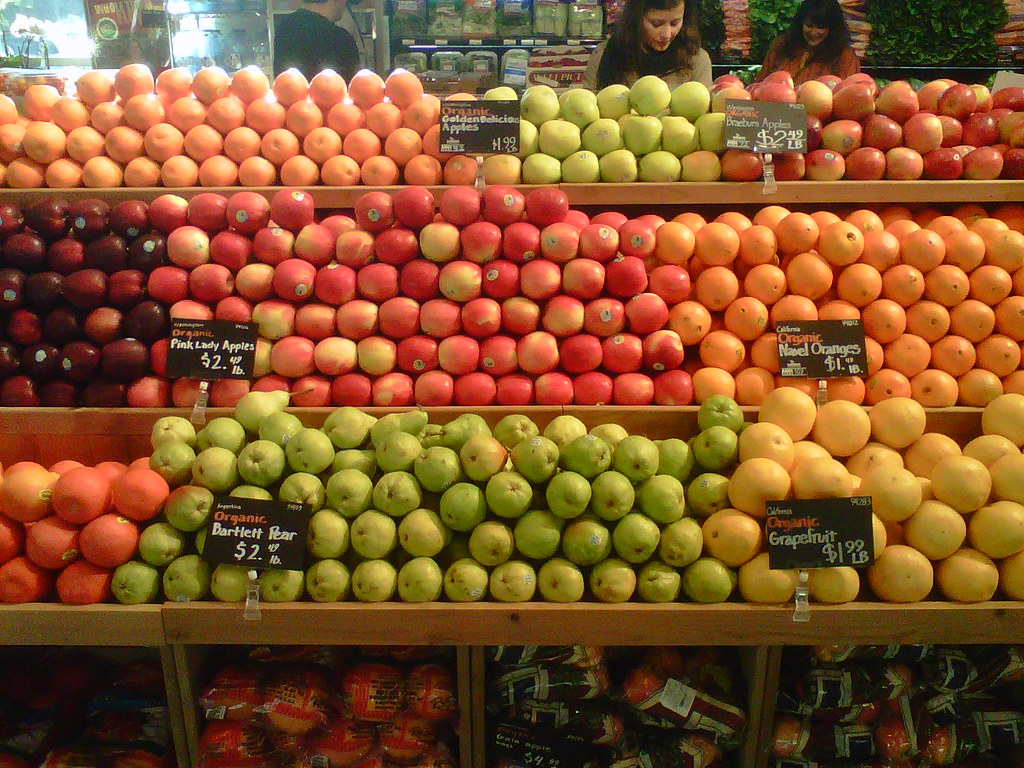
This past Sunday, community members and activists came together to exchange ideas about the importance of making environmentally conscious and socially responsible food choices. The event focused on the health implications of the foods we eat and was fourth in a “Focus on Food,” Film & Discussion series offered through the Noor Cultural Centre in Toronto.

The event opened with a screening of a National Film Board documentary entitled Genetic Takeover or Mutant Food, which explores the rise of transgenic crops and the unknown health effects of genetically modified (GM) foods on human systems. The film highlighted the need for more research, stricter regulation and greater transparency when reviewing and approving GM foods for consumption. It also brought to light the issue of commoditization of the Earth’s resources, specifically manipulating the genetic makeup of plants and terminating its right to propagate. The film closes by stressing the importance of placing the public good ahead of corporate profits and following the precautionary principle before releasing GM products into the environment.

The discussion component was facilitated by Georgina Wilcock, a medical doctor specializing in Obstetrics and Gynecology who currently practices at the Scarborough Hospital. She has been an active participant in the environmental health field, running for the Green Party of Canada in the 2008 federal election and continues to support the party as its Health Critic. She is also involved with the Canadian Association of Physicians for the Environment and the Live Green Toronto initiative.

Georgina opened with a presentation examining some of the health issues associated with the foods we consume. The overuse of pesticides and the associated resistance have significant consequences within our own bodies and the environment at large. Chemicals that act as hormone disrupters, pesticides that bioaccumulate and toxins that persist in the environment are serious concerns in addition to the unknown health implications of GM foods. Meat products also have their own inherent health issues as well. Animals that are raised in feedlots face extreme stress from living in confined conditions and are given high doses of antibiotics to stave off infection. This contributes to lower quality meat that is higher in bacteria and lower in omega fatty acids. Georgina then poses the question of whether this is humane and does this follow the Islamic teachings of how animals should be treated?

Throughout the discussion several suggestions were offered on how we can both lessen our environmental footprint and eat healthier as well. These include:

1) Reducing the amount the meat we consume and to purchase meat that has been ethically and humanely raised; without the use of antibiotics or steroids and is fed a natural diet. 2) Purchase certified organic produce or better yet, try your hand at growing your own fruits and vegetables to ensure that it is completely natural and pesticide free. 3) Consider purchasing from local farmers so you can directly ask how your food was grown and how their animals are raised. Building relationships with farmers offers your piece of mind and supports your local economy.

For more information about upcoming events at the Noor Cultural Centre, visit their website or join Khaleafa.com on Facebook for future event postings.

Photo credit from Tantek Çelik
MuslimFest Goes Green

281433_10150273100371940_39860361939_7596841_483850_n

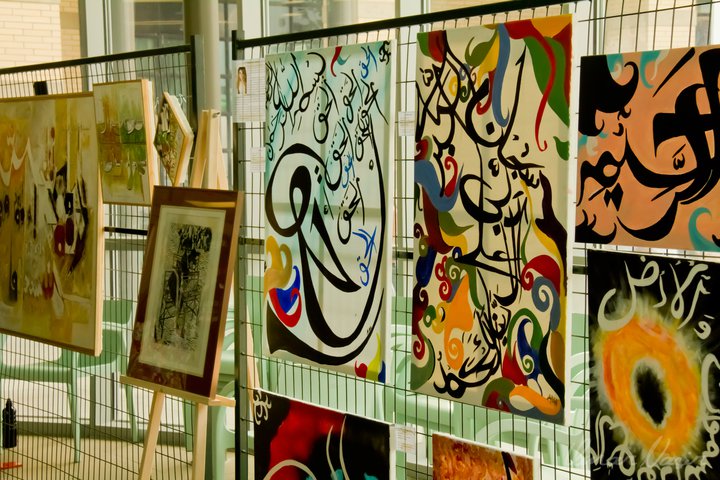
MuslimFest is an annual event held in Mississauga that recognizes and celebrates the Muslim arts, culture and entertainment industry here in Canada and abroad.  Every year it draws upon talented professionals, entrepreneurs and artists and showcases their work to the broader community. These include projects across the artistic spectrum, from visual arts and film to live comedy and theater.

This year the organizers have taken proactive steps to ensure the event is as environmentally friendly as possible. These include measures such as:

-          Partnering with Bullfrog Power to ensure the event uses 100% green energy

-          Offsetting carbon emissions through purchasing credits from Zero Footprint

-          Eliminating disposable plastic water bottles and replacing them with access to water filling stations

-          Reducing the waste generated by marketing and print material through smaller print sizes and quantities

-          Diverting waste products to the recycling stream where possible

A Green Exhibit was also was introduced at this year’s festival, to educate the community on conservation practices and introduce them to local environmental leaders.

For more information on the green initiatives at Muslimfest, please visit: http://www.muslimfest.com/muslimfest-is-green/

Photo Credit from Umar Nasir: http://iqra.ca/?p=5770

Translating our Faith into action: making a difference for the environment

Members from Toronto’s faith groups gathered this past Sunday to discuss a common theme affecting their congregations: What can we do to make a difference in the environment? The event entitled “Translating our Faith into Action: Making a Difference for the Environment” was organized by OIKOS in conjunction with the University of Calgary with the goal of equipping faith communities with the necessary resources to translate their spiritual teachings into effective public action.

Keynote speakers included Bishop Linda Nicholls from the Anglican Church of Canada, Shaikh Habeeb Alli from the Canadian Council of Imams and Rabbi Rav Roy from the Canadian Yeshiva and Rabbinical School.

All three panelists shared their experiences on the ethical and spiritual responsibilities all faiths have as stewards over the environment and brought to light several commonalities their traditions share including a communal responsibility over the earth and mutual respect for all creation.

Also contributing to the dialogue was Keith Stewart from Greenpeace Canada, who is also a member of the Green Budget Coalition.

This alliance of environmental organizations provides annual recommendations in advance of the federal budget and has a history of working with all levels of government to achieve long-term environmental sustainability, a key theme that carried throughout the event.

Among his insights on the green movement in Canada, Keith outlined several components faith groups can adopt to incorporate environmental advocacy into their spiritual teachings and how together this can be used as a learning tool to educate their congregations about the importance of the natural world.

Three avenues were presented where faith groups can utilize resources already present within their respective communities to increase their exposure to environmental issues:

1)     Ability to draw strength from their religious convictions: Faith groups can encourage an alternate perspective on environmental advocacy which resonate with politicians as they generally speak the language of society and represent a set of common shared values.

2)     Ability to raise issues that are unpopular or inconvenient: Issues that are politically sensitive can be discussed from a spiritual perspective, such as environmental implications on future generations, which generates dialogue in a non-confrontational setting.

3)     Faith groups have powerful resources within their congregations: Members encompass a diverse range of individuals who wield power within the public and private sector. They also bring together a wide range of skills and ideas on approaching and resolving different issues.

For more information about OIKOS and links to future retreats, please visit http://www.ucalgary.ca/oikos/Retreat/